Retrofit insulation in Hawthorne CA - a cooler house without opening the walls
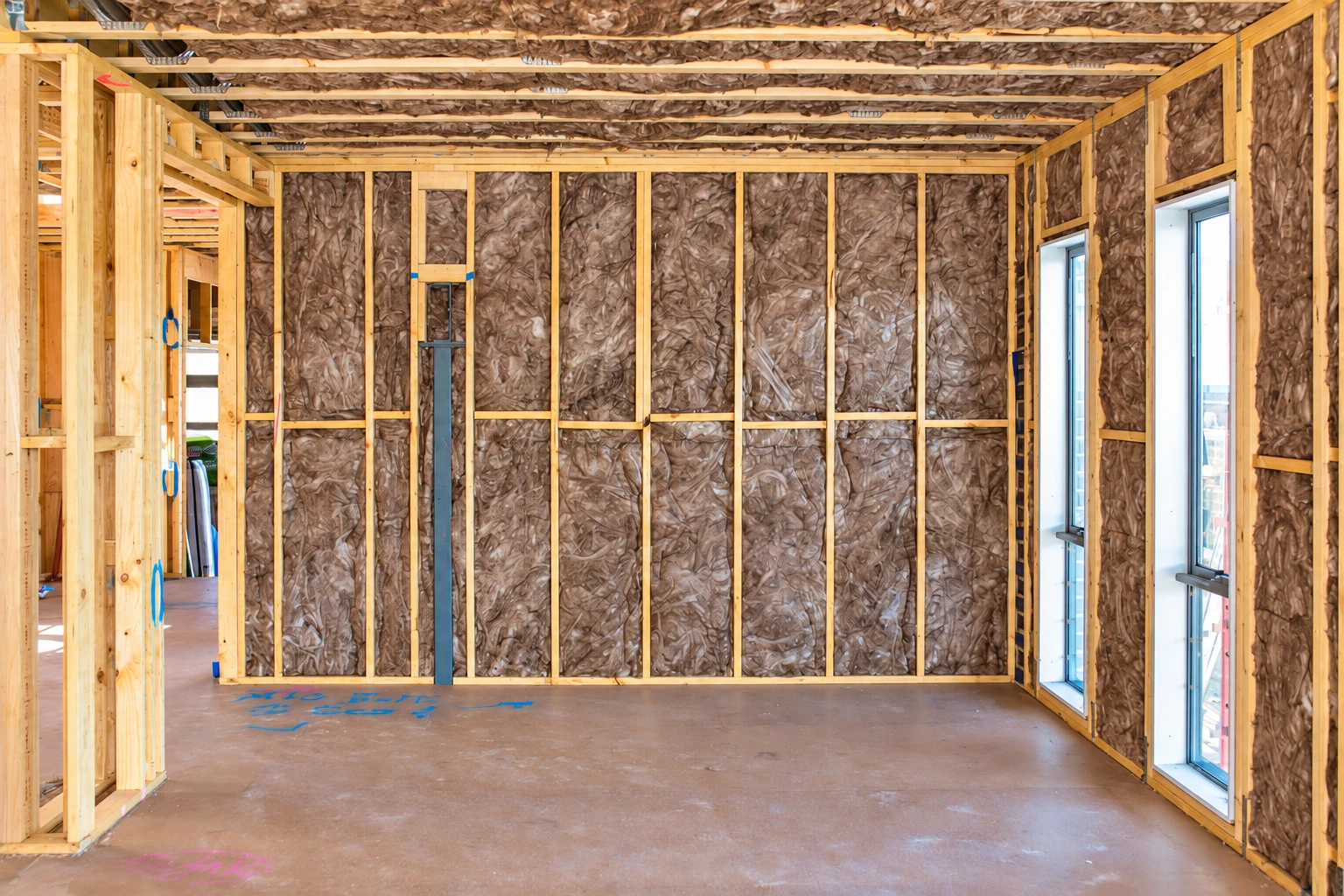
Rooms that run hot or drafty? We blow insulation into your attic, and into the walls through small holes, so the drywall stays put.
- Service
- Retrofit insulation
- Call
- (424) 307-8033
How can you tell your house needs more insulation?
Upstairs rooms that stay hot
The bedrooms upstairs or the room over the garage stay hot long after sundown, even with the AC running. That usually means thin attic insulation or gaps in the ceiling letting attic heat down, and every summer you wait, the power bill pays for it.
Outside walls you can feel
Put your hand on an outside wall on a hot afternoon and it feels like the weather out there. In an older house that often means the wall cavities are empty, and the room keeps fighting the thermostat until they're filled.
Attic joists showing through
When you lift the hatch you can see the tops of the joists, or the insulation looks flat, patchy or stained. Thin material slows very little heat, and stains or droppings mean something underneath needs fixing, so the longer it sits, the more of it has to come out.
Can you add insulation to a house that's already finished?
Yes. Retrofit insulation is insulation added to the walls or attic of a home that's already built, usually blown in, and D&J Hawthorne Insulation Services does it for houses in Hawthorne without tearing out drywall. It evens out rooms that run hot or drafty, and it helps keep outside noise out too.
Most people who call me have a finished house that's hot upstairs, cold along the outside walls or noisier than it should be, and they don't want a remodel to fix it. The price moves with how much of the house we're doing, whether old attic material has to come out first through insulation removal, and what I find underneath, like a leak or old wiring that has to be dealt with before anything goes over it. The schedule turns on those same repairs and on how easy the attic and walls are to reach, and your written estimate spells out both the price and the plan. The state licensing board counts anyone who installs insulation for heat or sound as an insulation contractor, and we're fully licensed and insured for that work.
Details to note before an estimate
- Year the house was built
- Rooms that run hot, cold or noisy
- Walls and attic areas to include
- Roof leaks or ceiling stains
- Old wiring you know about
How we handle retrofit insulation in a lived-in house
You're living in the house while we work, so we keep the mess down by coming in through the attic and through small holes in the walls instead of opening them up. Before anything goes in, I check for the things insulation would only hide, like a roof leak, bad wiring, or old material that's wet or full of droppings, and those get fixed or pulled out first. Then the crew does the air sealing, closing the gaps that let air move between the attic and your rooms, before blowing loose fill across the attic floor. In the walls we fill each cavity through a small hole and patch it, and the year your house was built changes how we handle that part, so it's the first thing I'll ask you.
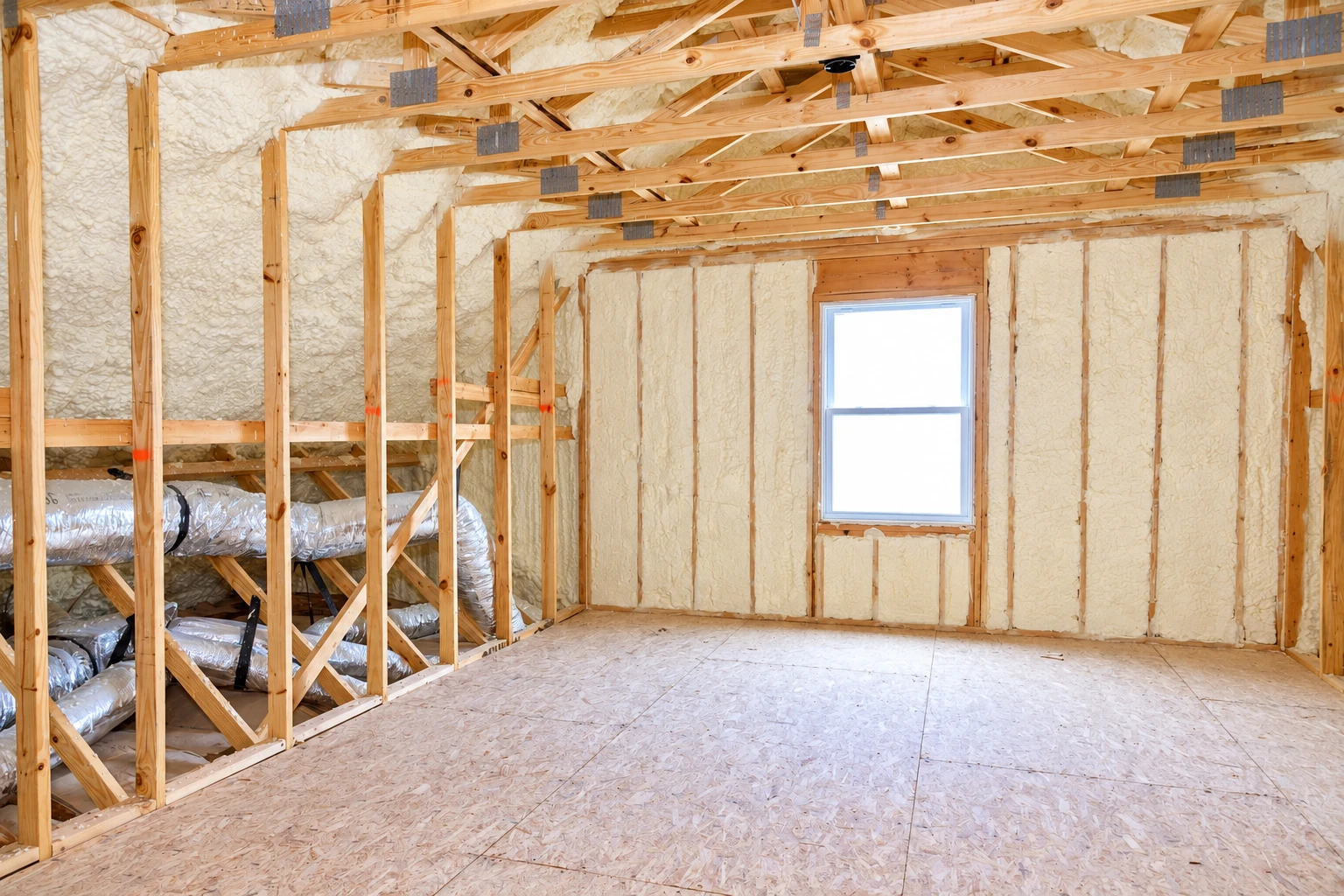
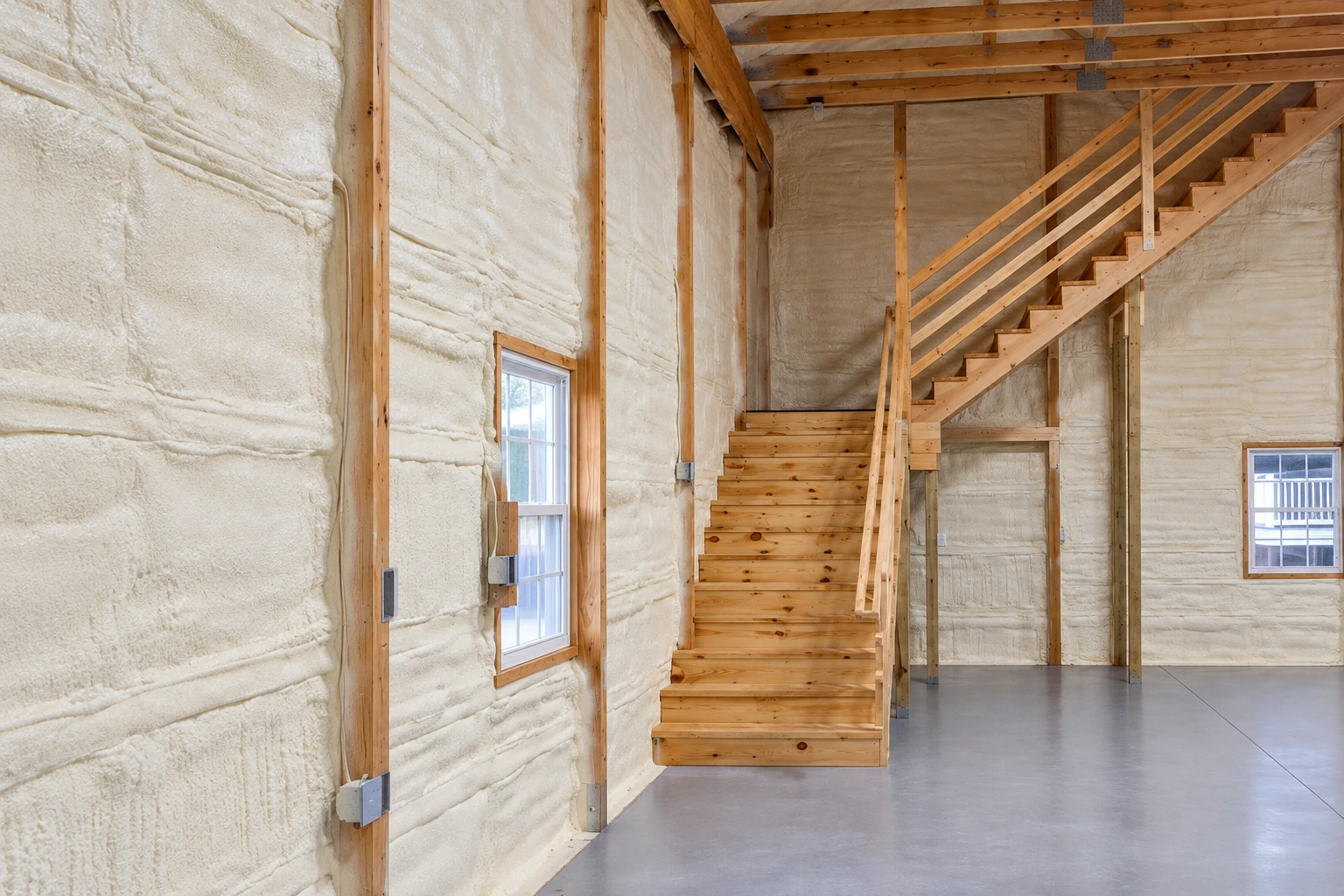
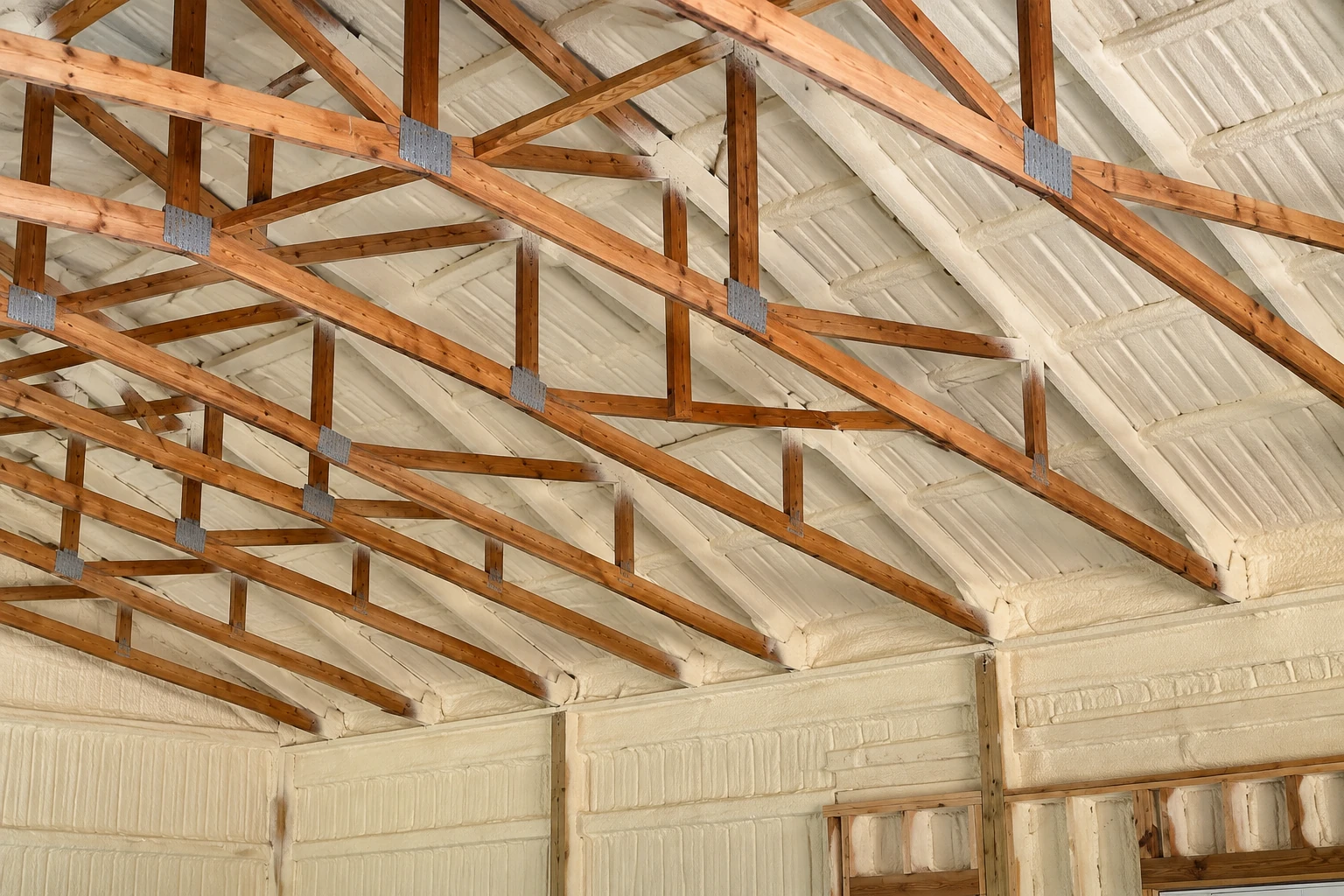
If your ductwork lives in the attic, spray foam insulation costs more but seals the air while it insulates, and in that case it's usually worth it. Otherwise, sealing the gaps and topping up with loose fill does the job for less, and when the walls are fine and the attic is the only problem, attic insulation on its own may be all you need.
Work that often goes along with it
Spray foam insulation
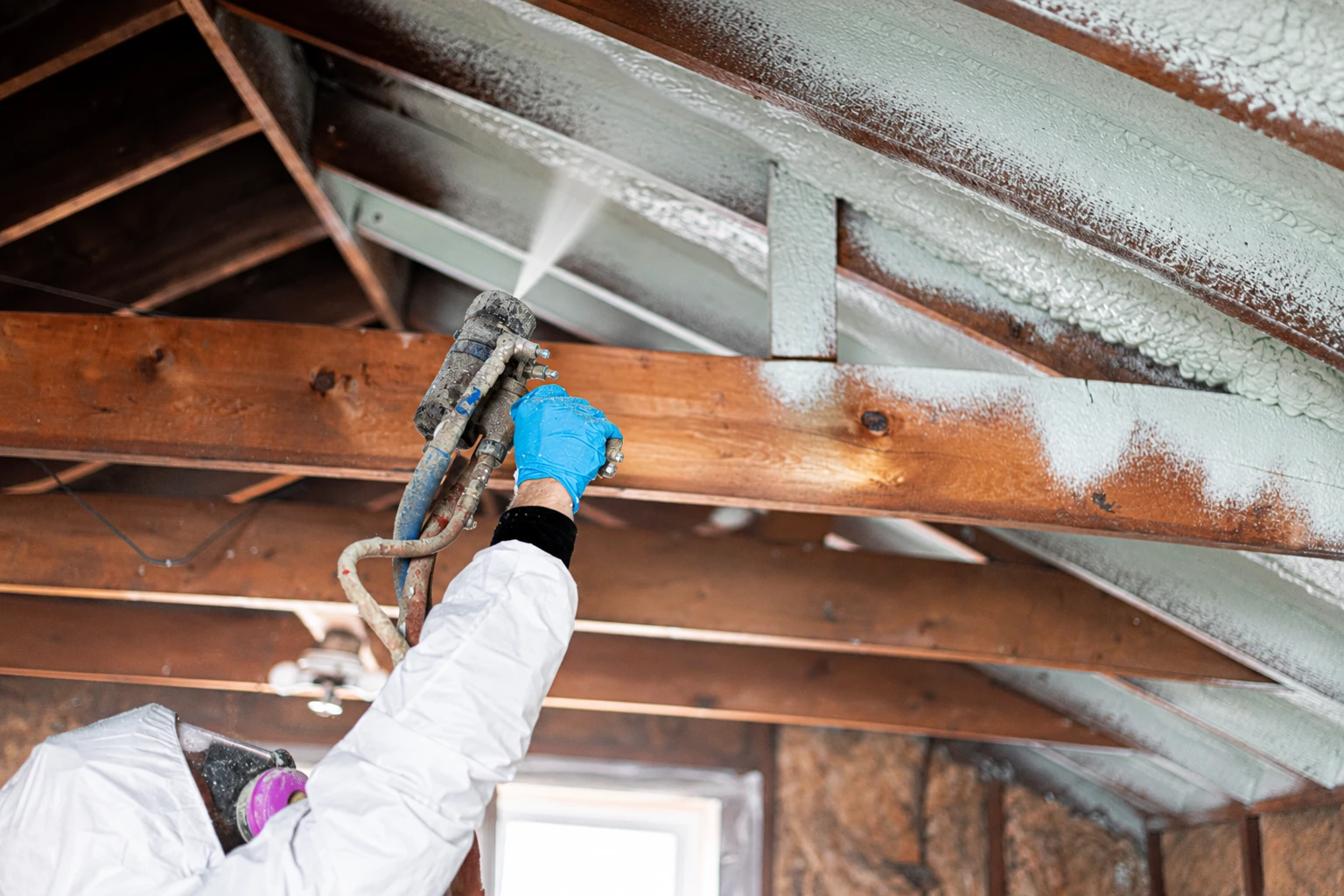
When ducts run through a hot attic, foam on the underside of the roof can keep them out of the heat and stop air leaks in the same pass.
Attic insulation
If the heat is coming down through the ceiling and the walls are in decent shape, this is the attic-only job, from clearing out old material to bringing the new layer up to depth.
What happens after you call about retrofit insulation?
Call or send the form
Call (424) 307-8033 or send the form, and we'll get back to you to pick a time for a visit. Tell us which rooms bother you most so I know where to start looking.
I look and write it up
I come out myself and look at the attic, walls or crawl space before quoting anything. You get a written estimate with the price, the plan and anything that should be fixed first.
We protect, seal and insulate
The small crew I trained covers your floors and protects your belongings near the work. They seal the leaks before any insulation goes in, then work through the plan the estimate lays out.
We walk the finished job
I check the crew's work and walk the finished job with you, so you can see what went in and where. Satisfaction guaranteed, and no question about it is too small.
Questions before you book retrofit insulation
How much does blown-in insulation cost around Los Angeles?
Blown-in insulation in the Los Angeles area usually costs about $1,600 to $3,600 per job, which is the going rate around here, not a price of ours. Where your house lands depends on how much attic and wall space gets filled, whether old material has to come out, and what needs fixing first. Your own price comes in writing after I've looked at the house.
What is the best way to insulate existing walls without tearing out drywall?
Drill and fill is the usual way, where the crew makes small holes near the top of each wall cavity and blows insulation in until it's full. Going in from outside cuts through the drainage plane, the layer behind the siding that sheds water, if the wall has one, and that layer then has to be patched or replaced, while working from inside leaves it alone. Which side we go in from depends on access and the shape that layer is in, and if you're re-siding soon, that's an ideal time to do the walls from outside.
What happens in the attic before new insulation goes in?
The gaps in the ceiling get sealed first, around can lights, pipes and the hatch, and the blown insulation goes in after that, at a depth that meets or beats what current building codes call for. It should cover the whole ceiling out to the top of the outside walls, as deep at the edges as in the middle. Baffles, short channels at the eaves, keep the vents open so insulation doesn't spill into them and the attic can still breathe.
What changes for a home built before 1980?
Homes that old often have little or no insulation in the walls, so there's usually more to gain and more to check first. Federal guidance says to be aware of lead safety rules when walls in homes built before 1980 get disturbed, and how much we open the walls decides which of those rules matter, which is why I ask for the build year up front. If you have knob and tube wiring, the old kind strung on ceramic knobs, tell me before work starts, because one federal guide reads the electrical code as not allowing insulation on or around it.
How long does retrofit insulation take, and do we have to leave the house?
Most families stay home for blown-in work, since the crew is in the attic or at a few spots along each wall rather than all through the house. How long we're there depends on how much wall and attic we're doing and on any repairs that come first, and the estimate lays that out before we book a day. Keep kids and pets out of the rooms we're working in, and if your job calls for spray foam, I'll tell you the re-entry time, when everyone can come back in, before we start.
Does living in Hawthorne change anything about insulating my house?
Yes, your address decides which state energy rules apply, because California's energy code splits the state into climate zones and each zone sets its own minimum efficiency requirements. You can look up yours with the state's climate zone finder. Los Angeles County's Equitable Building Decarbonization Program also lists Hawthorne among the communities it plans to prioritize first, chosen for high pollution, economic hardship and climate risk. We're based in Hawthorne and work in the cities around it, including Inglewood, Lawndale and Torrance.
Get a written plan for insulating your finished home
We reply to every call and form within one business day to set up a visit. I come out for a free on-site estimate, look over the attic and walls, and give you the price and the plan in writing, with no pressure to book.
Explore our services and areas
Services
- Spray foam insulation
- Attic insulation
- Blown-in insulation
- Home insulation
- Insulation removal
- Crawl space insulation
- Wall insulation
- Air sealing services
- Basement insulation
- Closed-cell foam insulation
- Open-cell foam insulation
- Commercial insulation
- Crawl space vapor barrier
- Vapor barrier installation
- Attic air sealing
Book a look at your attic and walls
Call (424) 307-8033 or send the form with your home's build year and the areas you want insulated, so I show up knowing what to look for.