
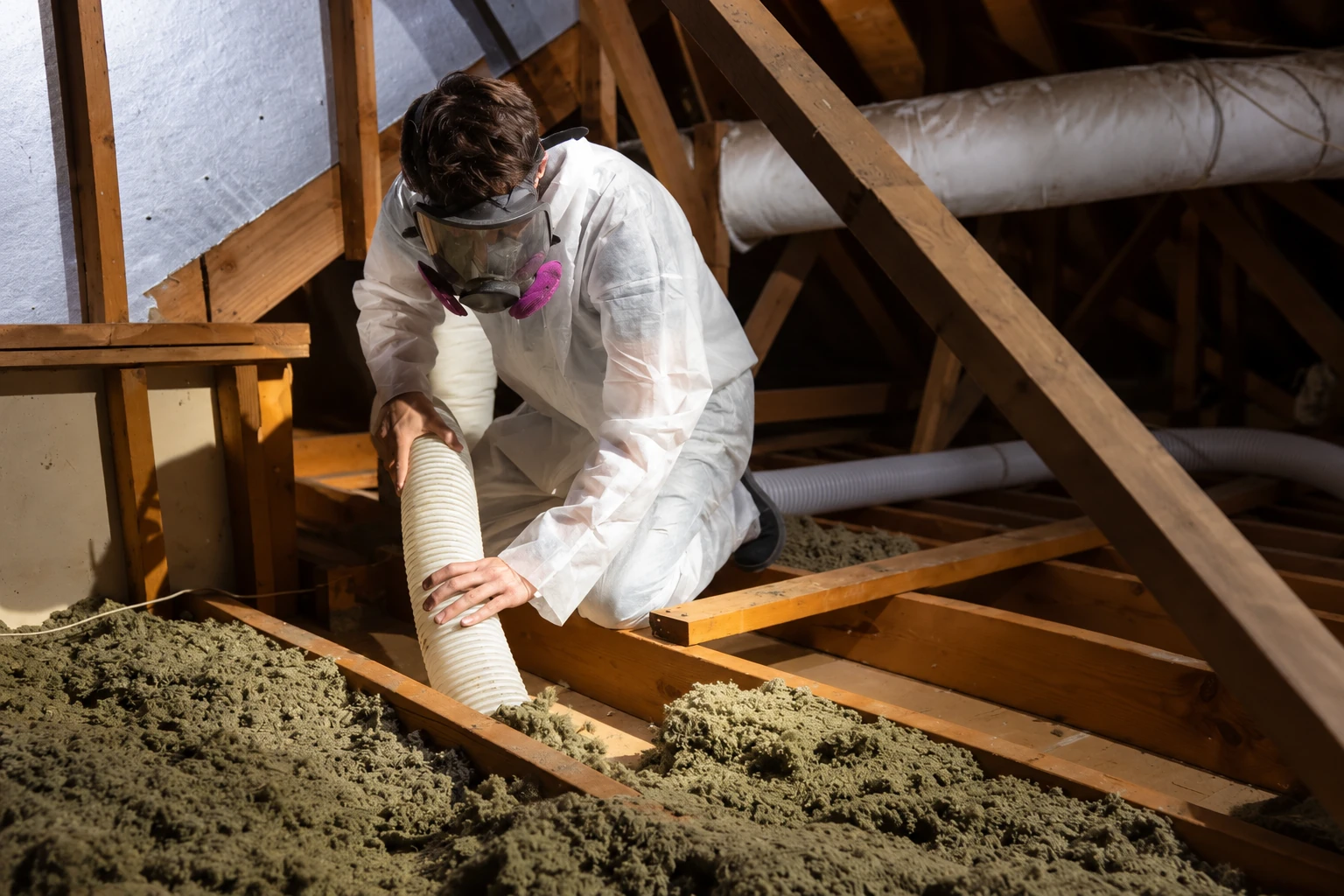
Blown-in insulation in Hawthorne CA - even coverage over a sealed attic floor
Hot rooms upstairs and a power bill that climbs every summer? We seal the leaks, then blow an even layer across the attic floor.
- Service
- Blown-in insulation
- Call
- (424) 307-8033
How can you tell your attic needs more insulation?
Hot rooms upstairs
The bedrooms upstairs or the room over the garage stay warm long after sundown, even with the AC running. That usually means the insulation is thin or has settled, so the ceiling lets the attic's heat straight through, and every summer you wait the AC works longer to keep up.
Joists showing through
You lift the hatch and see the tops of the wood joists poking up through the insulation, or bare spots near the edges. Whatever was blown in years ago has packed down or never went in deep enough, and heat keeps moving through those spots every day until they're covered.
Drafts around ceiling fixtures
You feel air moving around the can lights, the attic hatch or a ceiling vent. Those gaps let attic air into the house, and if insulation just goes on top without sealing them first, you keep paying to cool air that slips right past it.
Is blown-in insulation right for my Hawthorne attic?
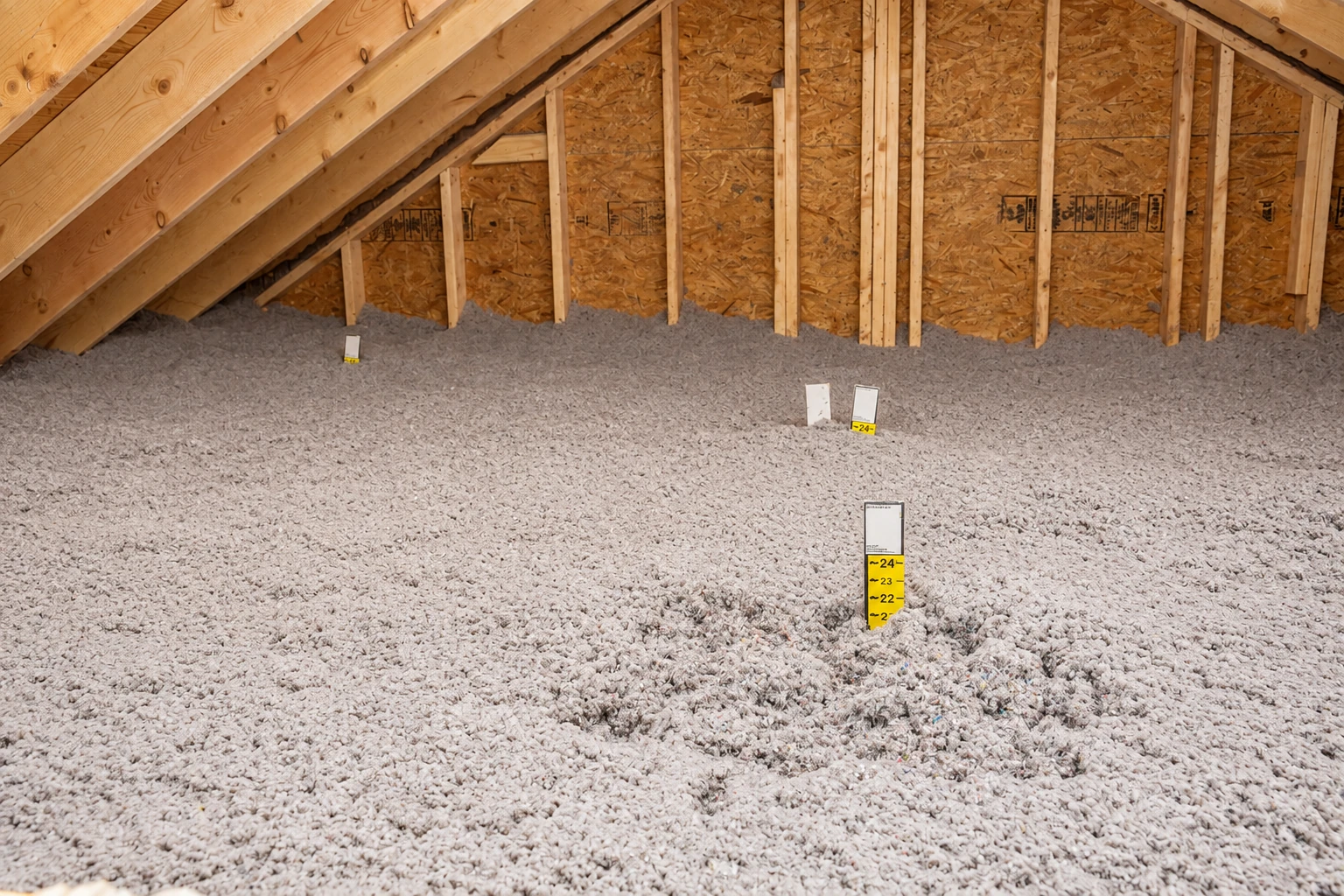
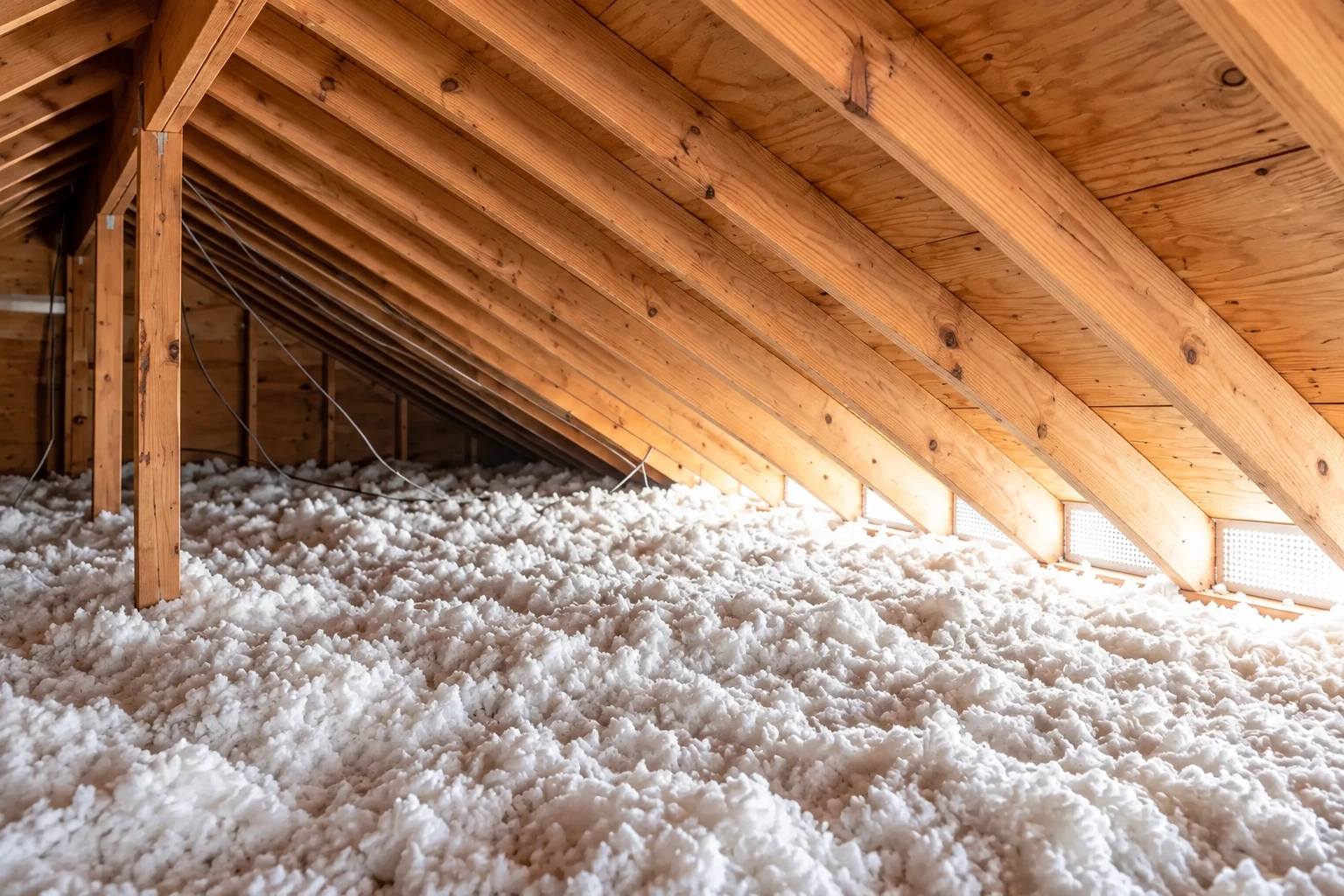
Blown-in insulation is loose cellulose or fiberglass blown through a hose onto your attic floor, and for a lot of houses in Hawthorne it's the most direct way to slow the heat coming down through the ceiling. Many older homes have little or no attic insulation, so an even layer over a sealed attic floor keeps more of that heat up in the attic and out of the rooms below.
Most of the calls we get start with a hot room upstairs or an attic nobody has touched in years. The price moves with the size of the attic and how easy it is to get around in, how many inches are already up there, how many gaps need sealing, which material you pick and whether anything has to be fixed or pulled out first. Those repairs are also what usually move the schedule, since they have to happen before any insulation goes in, and your written estimate puts a real figure on your house.
Details to note before an estimate
- Rough size of the attic floor
- Inches of insulation already up there
- Rooms that run hot or drafty
- Water stains on any ceilings
How we install blown-in insulation
We start by talking through cellulose and fiberglass with you, because each one suits a different attic. Before anything gets blown in, the problems underneath come first. Wet insulation, moldy or rotted framing and a bath fan that dumps damp air into the attic all need fixing, and knob and tube wiring, the old kind found in homes built before 1930, has to be dealt with because it can be a fire hazard buried in insulation. Then our crew seals the gaps around pipes, wiring and the hatch, and keeps insulation back from any recessed light that isn't rated to touch it. At the edges we set baffles, which are guards that hold insulation back from the eave vents, because state energy guidance says those vents should stay open or moisture can build up and condense under the roof deck. Last, we blow the material in at an even depth across the whole ceiling, edges included, since thin edges are where most attics come up short. Satisfaction guaranteed.
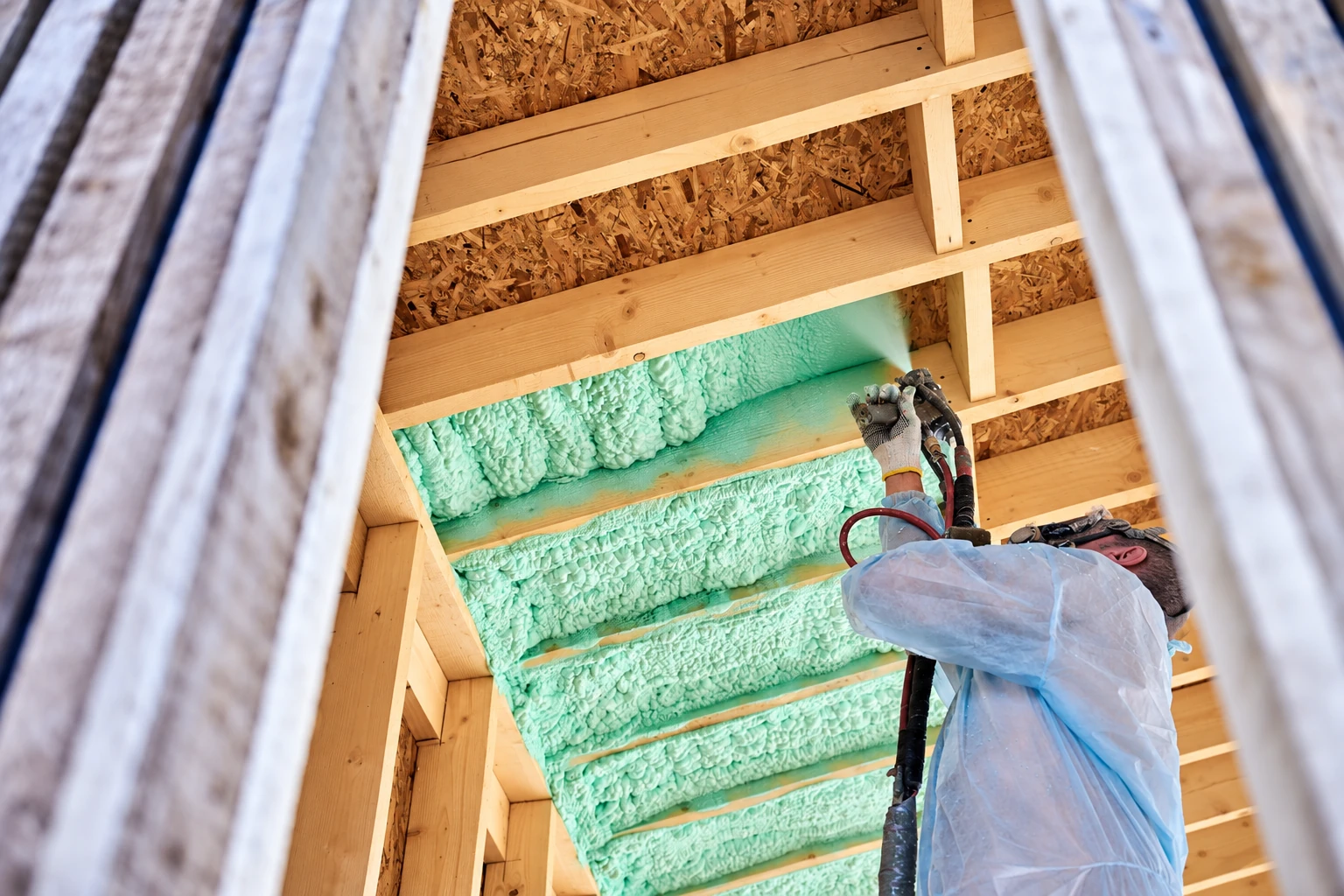
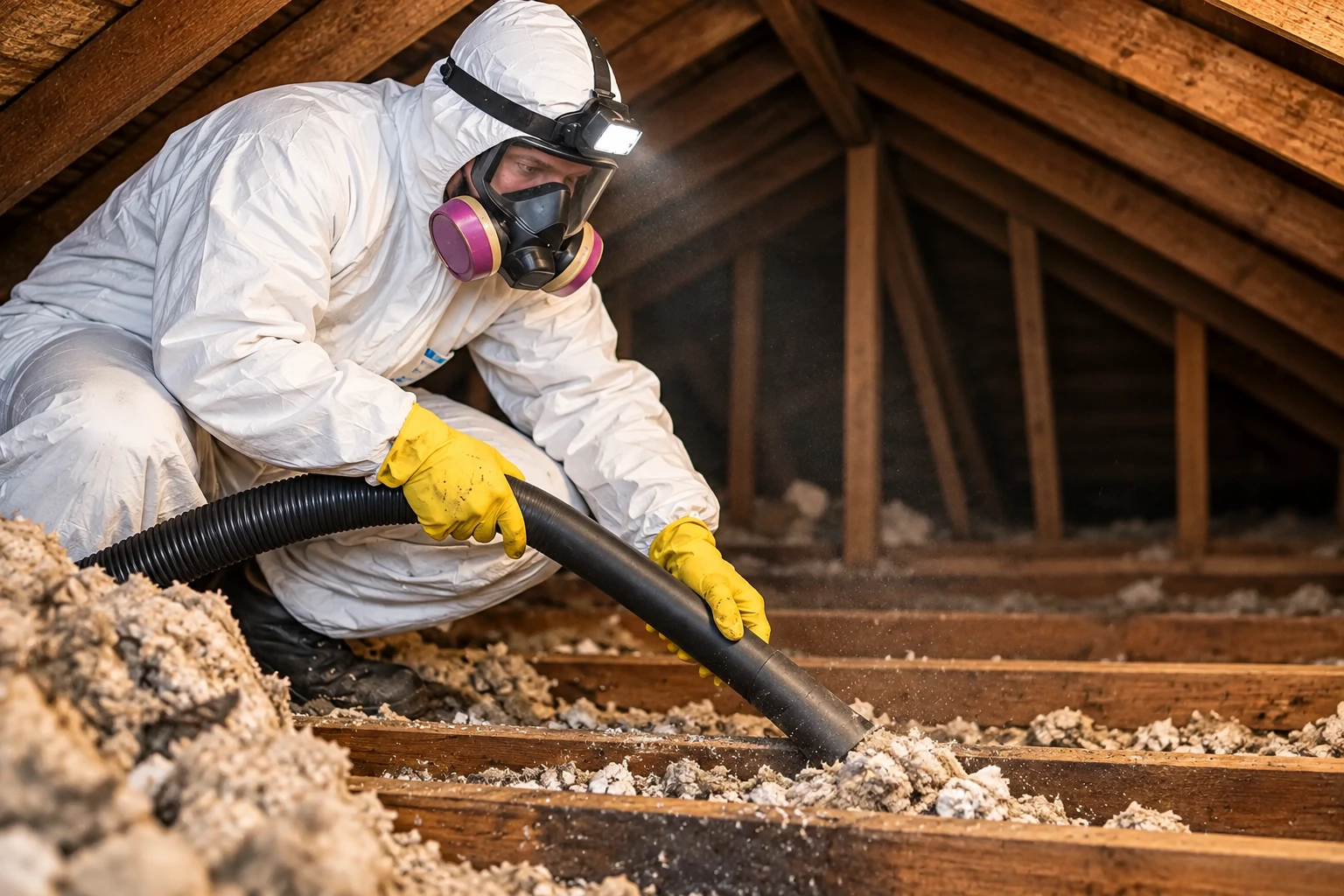
When the old layer is soaked, moldy or full of droppings, blowing more on top just buries the problem, so we start with insulation removal and give the new material a clean floor. If the attic is only part of why the house runs hot or drafty, we look at the walls, floors and crawl space too under home insulation. Foam costs more and seals air while it insulates, but for most attics sealing the gaps and topping up loose fill is the better buy, unless your ductwork runs up there. We're based in Hawthorne and do this same work in the cities around it, from Lawndale and Gardena to Torrance and El Segundo.
Work that often comes before or with it
Home insulation
When the heat is getting in through more than the ceiling, this looks at the walls, floors and crawl space so the whole house holds temperature.
Insulation removal
If what's up there now is wet, moldy or full of droppings, it has to come out before anything new can do its job.
What happens when you call about blown-in insulation in Hawthorne?
Call or send the form
Call (424) 307-8033 or fill out the form, and we'll set a time to look at your attic. Mention any hot rooms or ceiling stains so I know where to look first.
I inspect the attic myself
I come out, check what's up there and why it got that way, and write it all down. Your estimate lists the price, the plan and anything that should be fixed first, so you know the full cost before we start.
Our crew preps and seals
The crew covers your floors and the path to the hatch, then seals the leaks and sets the baffles. Only after that does the blower come out.
We walk the finished attic
I check the crew's work before we call it done. Then I walk it with you so you can see the depth at the edges and the open vents for yourself.
Questions before you book blown-in insulation
Is cellulose or fiberglass better for my attic?
Cellulose usually covers better, and fiberglass usually holds its depth better. Cellulose gives more insulating power per inch, flows around pipes and wiring and partly seals small air leaks, while blown fiberglass settles less over the years. In the cluttered attics we see most, I lean toward cellulose for how it fills in, but I'll go over both with you before you choose.
What does blown-in attic insulation cost around Los Angeles?
Attic insulation in the Los Angeles area usually costs about $1,600 to $5,300 per job. Blowing in loose fill usually runs less than laying batts, the blanket-style pieces, and gives better coverage, though install costs vary. Your own figure comes in writing after I've seen the attic.
Should air leaks be sealed before blown-in insulation goes in?
Yes, seal the leaks first. Money spent on insulation can be wasted if the holes and gaps in the ceiling, walls and foundation are left open, and adding insulation is the natural time to do both as one project. If you have a gas or oil furnace or water heater, have its venting tested before and after the sealing, because a tighter house sometimes pulls fumes back inside.
Can a handyman install blown-in insulation in Hawthorne?
Only on a very small job. Under the state licensing board's minor work rule, someone without a contractor's license can take a job under $1,000 only if it needs no permit and they employ no one on the project, and most attic jobs run past the price range above. We're fully licensed and insured, so it's never a question with us.
How do I know if an installer is putting in enough blown-in insulation?
Ask how they'll meet the insulation maker's minimum density for the depth they're blowing. Fill blown in too loose, called fluffing, uses fewer bags and settles more than it should, and fiberglass is easier to fluff than cellulose. If an installer can't answer that plainly, it's worth asking someone else.
How do I tell if my attic has vermiculite insulation?
Vermiculite is lightweight, pea-size and flaky, usually gray, and it sits loose between the joists. It may contain asbestos, so it should stay undisturbed until an approved lab has tested it. If I find it at the estimate, I'll tell you, and we won't move it or blow anything over it until the test comes back.
Get a written plan for your attic insulation
We reply within one business day to set a time that works for you. I come out myself, look at the attic and leave you a free written estimate, and there's no pressure to book.
Explore our services and areas
Services
- Spray foam insulation
- Attic insulation
- Home insulation
- Insulation removal
- Crawl space insulation
- Wall insulation
- Air sealing services
- Basement insulation
- Closed-cell foam insulation
- Open-cell foam insulation
- Commercial insulation
- Crawl space vapor barrier
- Vapor barrier installation
- Attic air sealing
- Retrofit insulation
Book your blown-in insulation estimate
Call (424) 307-8033 with your home's age and anything you know about wet insulation, vermiculite or old wiring, so I come out ready for it.