Commercial insulation in Hawthorne CA - a building that holds its temperature
Top floor running hot or a roof coming due? We plan insulation around your roof's condition so the space stays comfortable.
- Service
- Commercial insulation
- Call
- (424) 307-8033
How do you know your building needs more insulation?
Top floor runs hot
The offices or shop floor right under the roof get hot by afternoon while the lower floors stay comfortable. That usually means the roof deck has little insulation, and every summer you wait, the rooftop units run longer and wear out sooner.
Roof work coming due
Your roofer says the roof will need a recover or a replacement in the next few years. That's the easiest time to add insulation on top of the deck, and once the new roof is on, you're mostly left with working from inside.
Noise through the walls
Tenants hear each other through shared walls, or street noise comes right into the office. That usually points to empty or thinly filled wall cavities, and the longer it goes on, the more complaints and turnover you deal with.
How do you insulate a commercial building in Hawthorne?
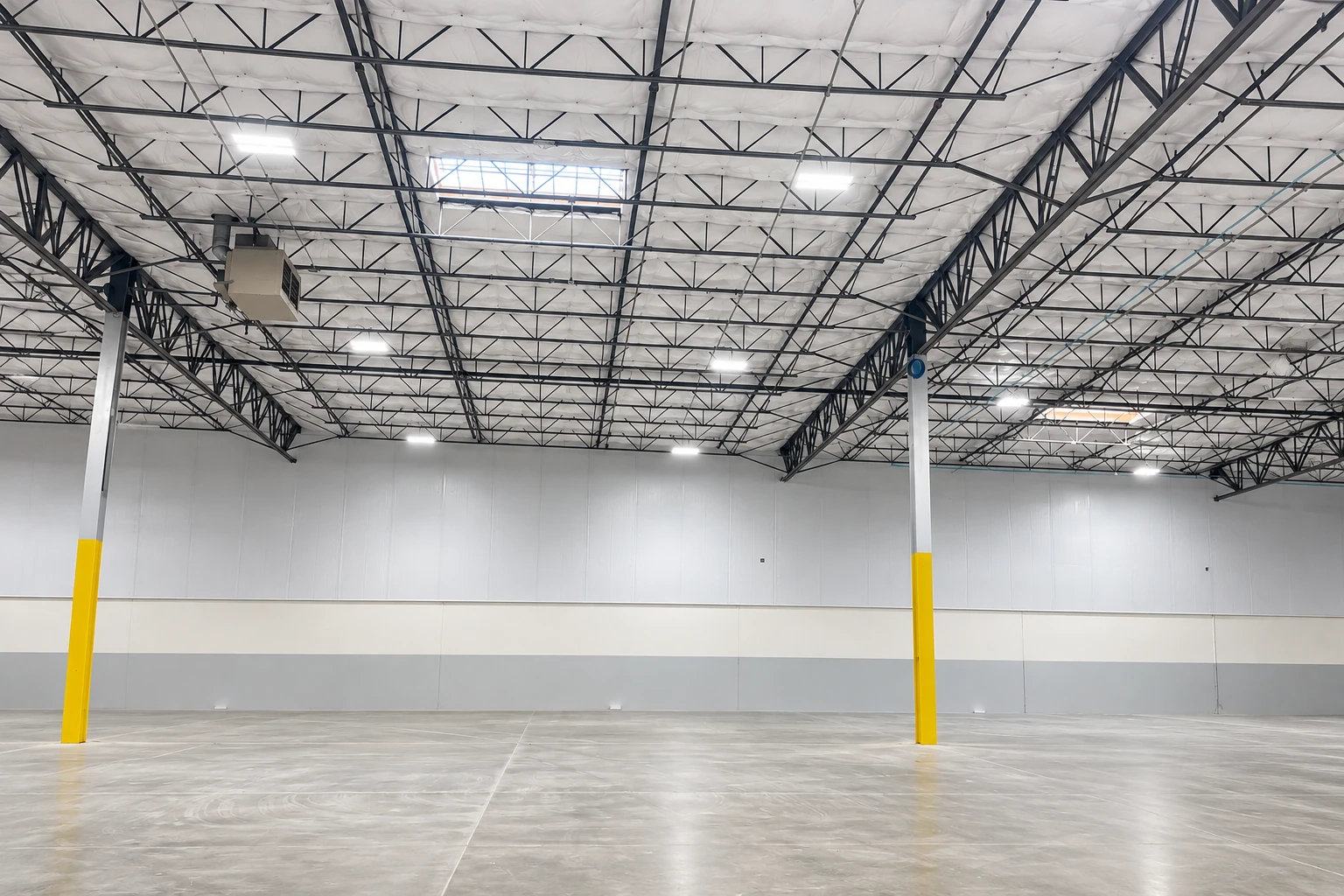
Commercial insulation in Hawthorne, CA means adding insulating material to a building's roof or walls so the space holds its temperature and keeps noise down. On most commercial buildings the roof drives the plan, because whether it's being recovered, replaced or left alone decides where the insulation can go.
Most owners and property managers who call us have a top floor that won't cool down, a roof coming due, or tenants complaining about noise. The price moves with the roof's size and type, whether the insulation goes on top of the deck or in from inside, the rooftop equipment we have to work around, and any leaks or damage that should be fixed first. The schedule mostly turns on whether the work is tied to roofing and what we find once we're up there, and your estimate puts your own price and plan in writing.
Details to note before an estimate
- Rough roof size in square feet
- Roof type and covering
- Rooftop units and other equipment
- When the roof was last redone
How we handle commercial insulation
I start with your roof's history and condition, because whether it can take a recover, a new covering laid over the old one, or needs replacing decides where the insulation can go. Insulation can go on top of the roof deck, below it between the joists, or both, and I'll tell you how I lean. If the roof is coming off anyway, I'd usually put it on top of the deck, and if the roof still has good years left, working from inside leaves it alone. Insulation on top raises the membrane, so the curbs under your rooftop units end up with less flashing above it, and I'll show you how we'd handle that before anything goes up. The insulation level your building needs follows the climate zone at its address, and California builders can only install products certified by the state consumer affairs bureau that covers thermal insulation, so I'll show you the planned product's certification when you ask. If the job disturbs older building materials, the South Coast AQMD sets asbestos survey, notification and work practice rules for renovations, so ask any bidder, us included, how they meet them.
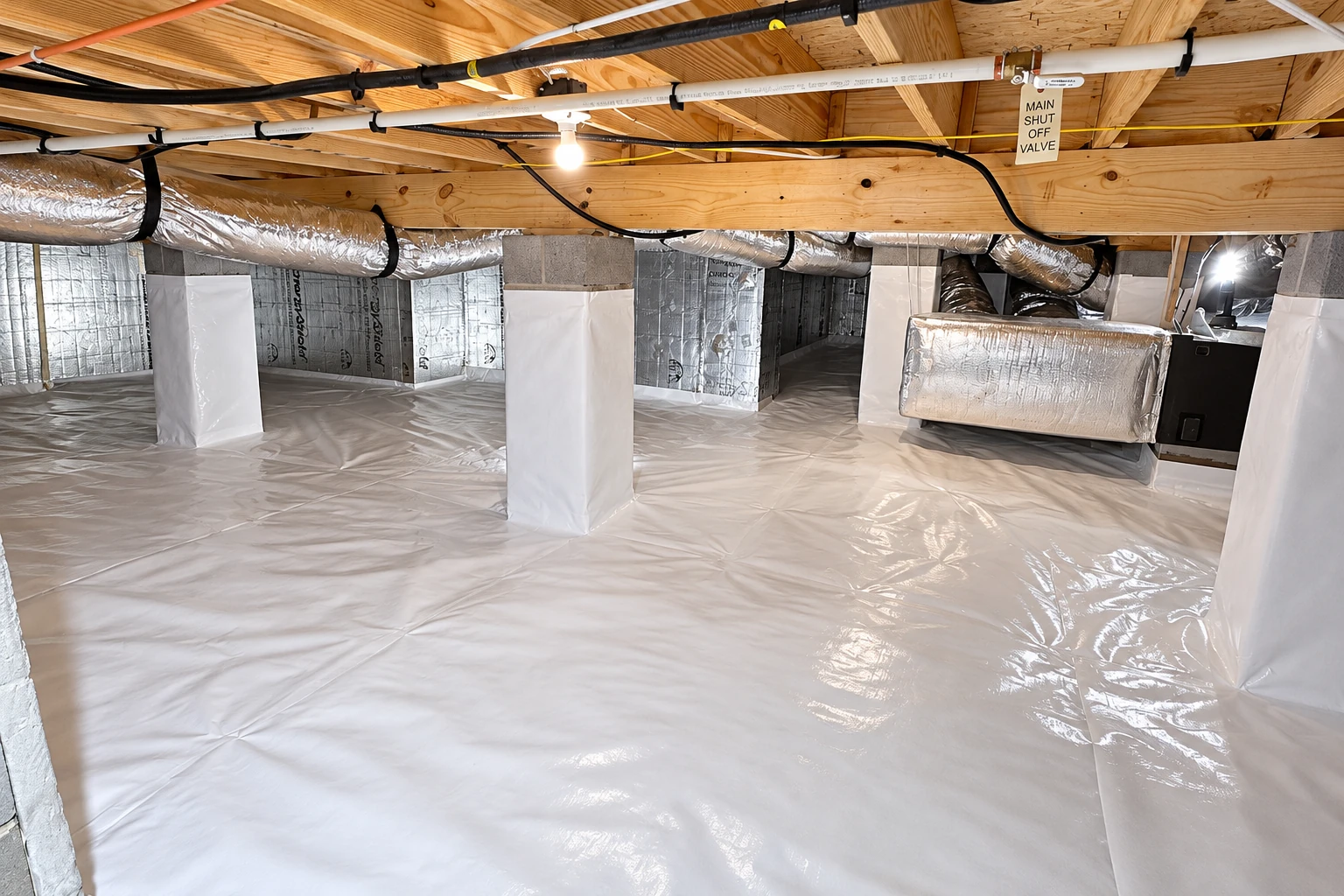
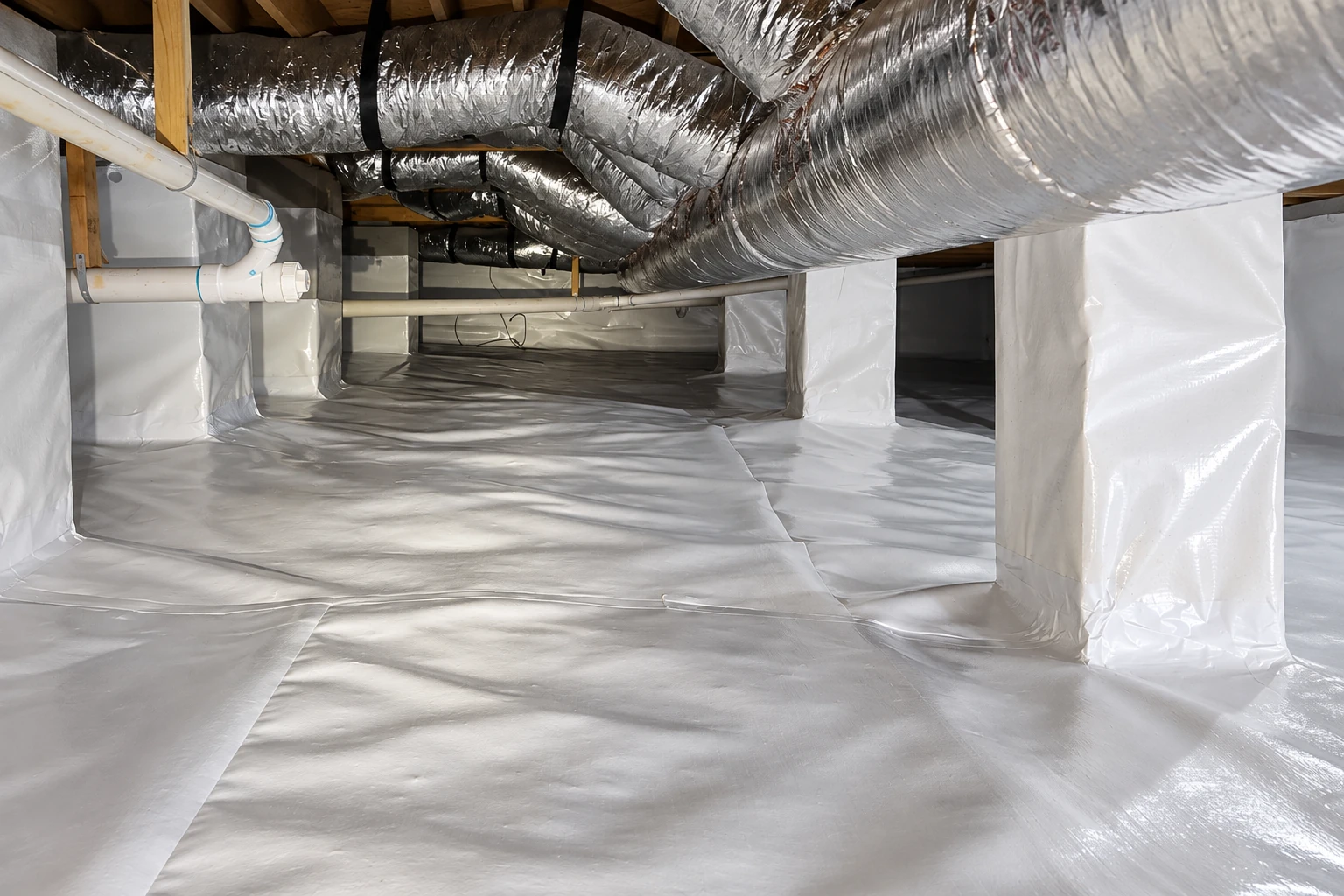
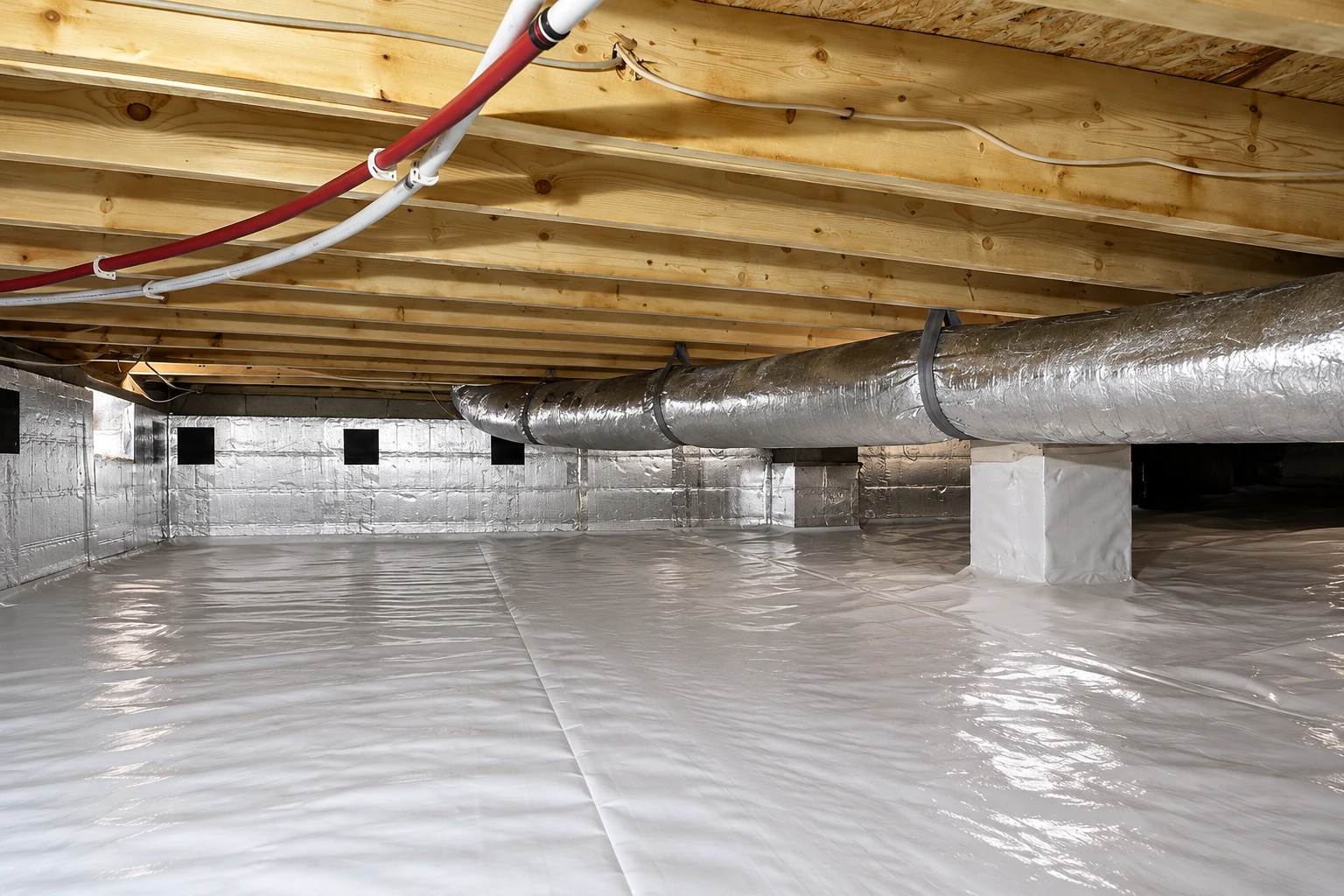
Some older commercial buildings around Hawthorne sit on raised floors over a crawl space, where damp ground can work its way into the floor framing and the insulation under it. In those buildings we can lay a crawl space vapor barrier over the soil, and where moisture moves through walls or ceilings we handle vapor barrier installation as part of the same plan.
Work that often goes with it
Crawl space vapor barrier
If the floor over a crawl space feels damp or the space smells musty, a barrier on the soil keeps ground moisture away from the framing and insulation.
Vapor barrier installation
When a wall or ceiling sits between a cool space and a warm, humid one, a vapor barrier keeps moisture from collecting inside the insulation.
What happens after you call about your building?
Call or send the form
You call (424) 307-8033 or fill out the form, and we set a time to come look at the building. It helps to know the roof size and when the roof was last replaced or recovered.
I look at the building
I come out myself and check the roof, the deck from underneath, the walls and any rooftop units. You get a written estimate with the price, the plan, and anything that should be fixed before insulation goes in.
Our crew does the install
The crew protects your floors, equipment and stock, then seals the leaks before the insulation goes in. Sealing first matters, because insulation over open gaps just sits in a draft.
We walk the job together
I check the crew's work, then walk the finished job with you so you can see what went where. Ask me anything, because no question is too small.
What owners ask about commercial insulation
How much does commercial insulation cost in the Los Angeles area?
Insulation installation in the Los Angeles area usually runs about $2 to $7 per square foot, and that's the market's typical range, not a quote from us. Where your building lands depends on the roof type, whether the insulation goes on top of the deck or in from inside, and what has to be fixed first. I'll give you your own number in writing after I see the building.
How do I know if my commercial roof can be recovered instead of replaced?
A roof can usually take a recover only if it's in good condition and hasn't been recovered before, since most roofs get one recover before they need replacing. A recover is typically less expensive than a replacement, so it's worth checking first. I look at the roof's history and condition on the estimate visit and tell you plainly which option is open.
Does reroofing a commercial building in California mean adding insulation?
It can, when the reroof covers half the roof or more, or more than 2,000 square feet, whichever is less, while small repairs don't count. Under the state Energy Code's standard roofing path, the altered area then gets insulated to code levels, so insulation becomes part of the roofing budget. A recover that adds R-10 above the deck, R-value being how well insulation slows heat, can skip that full level, which can make a recover the simpler route for a roof still in good shape.
What license does an insulation contractor need in California?
California's Contractors State License Board lists an insulation and acoustical contractor classification that covers installing any insulating material for temperature or sound control. We're fully licensed and insured, and you can read what that classification covers on the state board's site.
What is the best way to insulate a metal building in Hawthorne?
On a metal-framed building, filling the space between the framing may not be enough, because the Energy Code may call for continuous insulation, a layer that runs unbroken across the framing, on top of it. I look at the framing and the roof together before I suggest a plan, since the walls can turn into a bigger part of the job than owners expect.
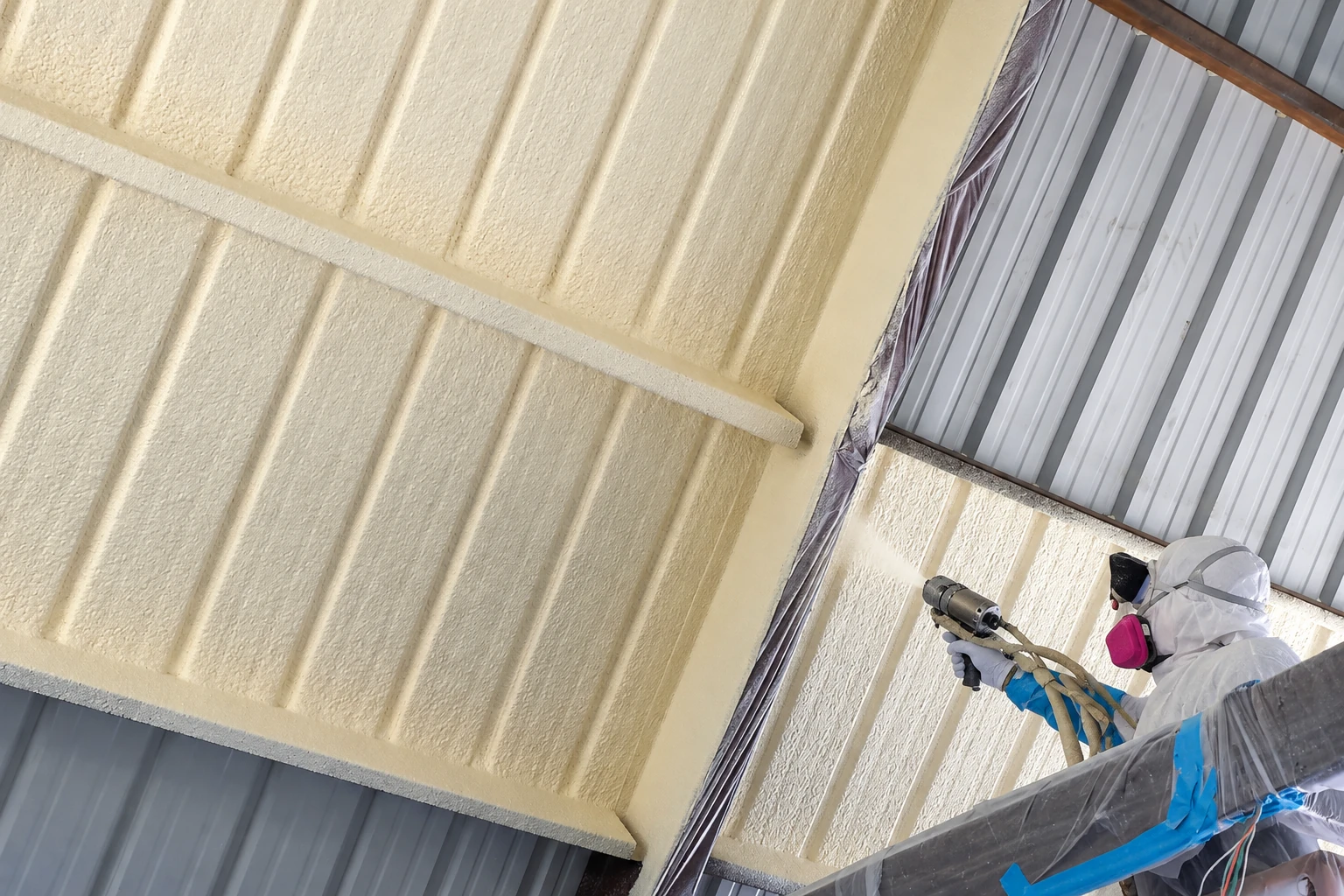
Is spray foam insulation safe to use in an office or warehouse?
It can be, when it's covered the way the codes call for, since one national trade group says model codes require spray foam to sit behind a thermal or ignition barrier or pass large-scale fire tests. The point is to give the people working there time to get out if there's a fire. If foam fits your building, I'll explain how it would be covered before you decide.
Get a written plan and price for your building's insulation
Send the form and we'll reply within one business day to set a time for a free on-site estimate, with no obligation to book. I'll come out myself, look at the roof and the building, and put the price and the plan in writing.
Explore our services and areas
Services
- Spray foam insulation
- Attic insulation
- Blown-in insulation
- Home insulation
- Insulation removal
- Crawl space insulation
- Wall insulation
- Air sealing services
- Basement insulation
- Closed-cell foam insulation
- Open-cell foam insulation
- Crawl space vapor barrier
- Vapor barrier installation
- Attic air sealing
- Retrofit insulation
Talk insulation before you sign the roof contract
Call (424) 307-8033 or use the form, and if a roofer has already given you a bid, have it handy so I can see what's planned.