
Attic air sealing in Hawthorne CA - a tight ceiling under your new insulation
Hot rooms upstairs and dusty marks on the ceiling usually mean attic leaks. We check the attic, then seal the gaps before any insulation goes in.
- Service
- Attic air sealing
- Call
- (424) 307-8033
How can you tell your attic is leaking air?
Hot rooms upstairs
The bedrooms upstairs or the room over the garage stay hot long after the sun goes down, even with the AC running. That usually means hot attic air is getting into the house through gaps in the ceiling, and you pay to cool that air every day you wait.
Dark streaks around fixtures
Gray lines show up around ceiling lights, vents or the attic hatch, or the carpet gets dusty along the walls. That dust is left behind by air moving through the gaps, and until they're closed they keep pulling attic dust and heat into the rooms you live in.
A power bill that climbs
The summer power bill keeps creeping up even though nothing in the house has changed. Often it comes back to air moving between the attic and the house, and the AC pays for that leak every month it stays open.
What does sealing an attic actually fix?
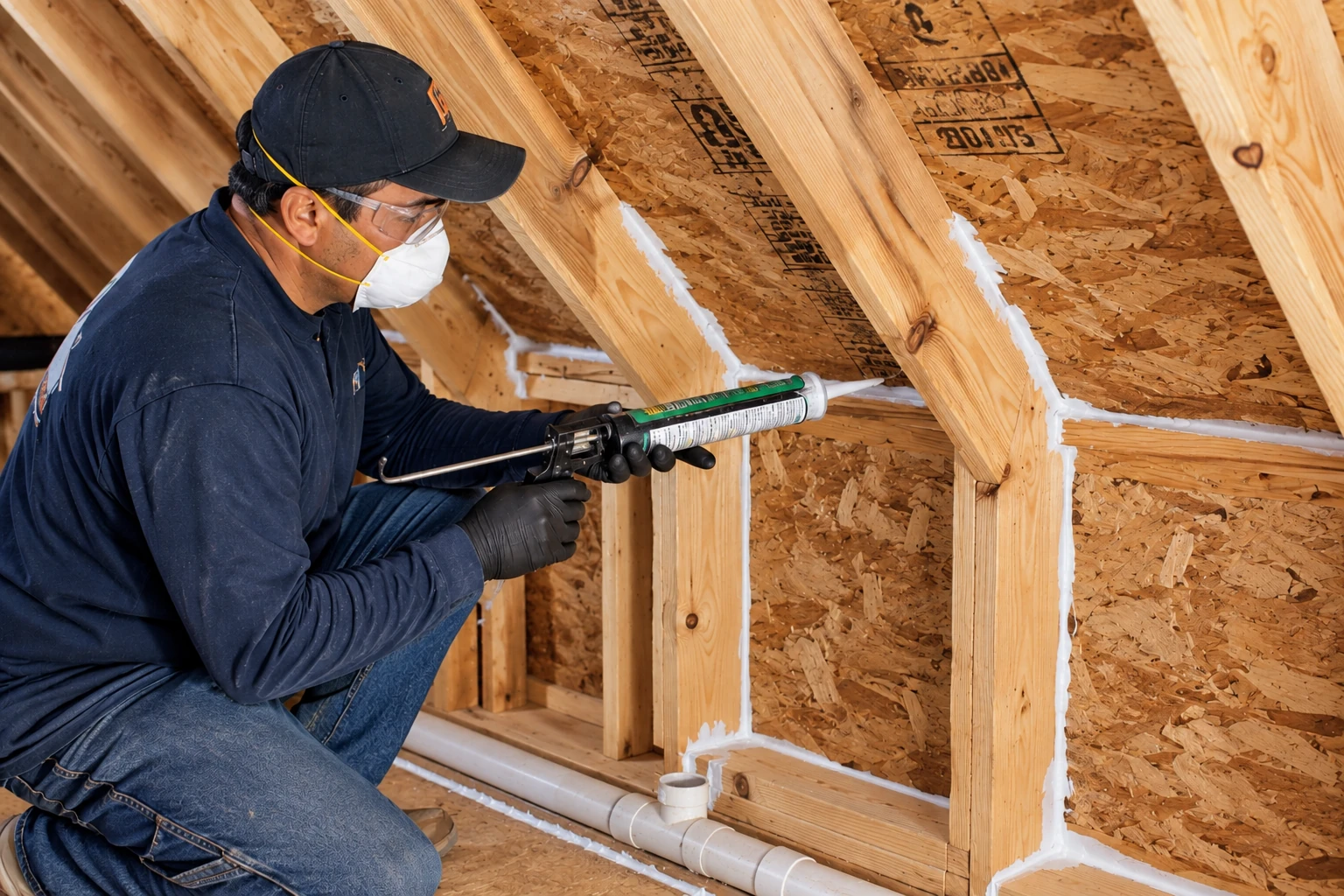
Attic air sealing in Hawthorne, CA means closing the gaps between your attic and the rooms below, so hot attic air stays up there and the air you paid to cool stays down in the house. We do it right before new insulation goes in, because once the attic is covered, those gaps are buried.
Most people call us because the upstairs won't cool down or the attic hasn't been touched in years, and they figure more attic insulation is the answer. Sometimes it is, but the leaks come first. The price moves with how many gaps and fixtures there are, how much room there is to work up there, and whether old insulation has to be pulled back or hauled out. The schedule mostly turns on what has to be fixed before we start, like a roof leak or a bath fan venting into the attic, because I won't seal over a problem. I come out myself and give you the price and the plan in writing. We're based in Hawthorne, fully licensed and insured, and we work in the cities around it.
Details to note before an estimate
- Rough size of the house and attic
- Number of recessed ceiling lights
- Bath fans and where they vent
- Furnace or water heater in the attic
- Rooms that run hot or drafty
- Any roof leaks or water stains
How we handle attic air sealing
Before anything gets sealed, I go up and make sure the attic is ready, checking the wiring, the bath fans and the roof for leaks, because sealing over any of those just hides a problem I'd rather tell you about. Old recessed lights get boxed in or swapped for new ones. Then our crew pulls back old insulation wherever it's in the way, closes the gaps around pipes, wires, fixtures and the hatch, and keeps the eave vents clear so the attic can still breathe. The sealing is the last step before new insulation, so nothing gets covered up that should have been closed.
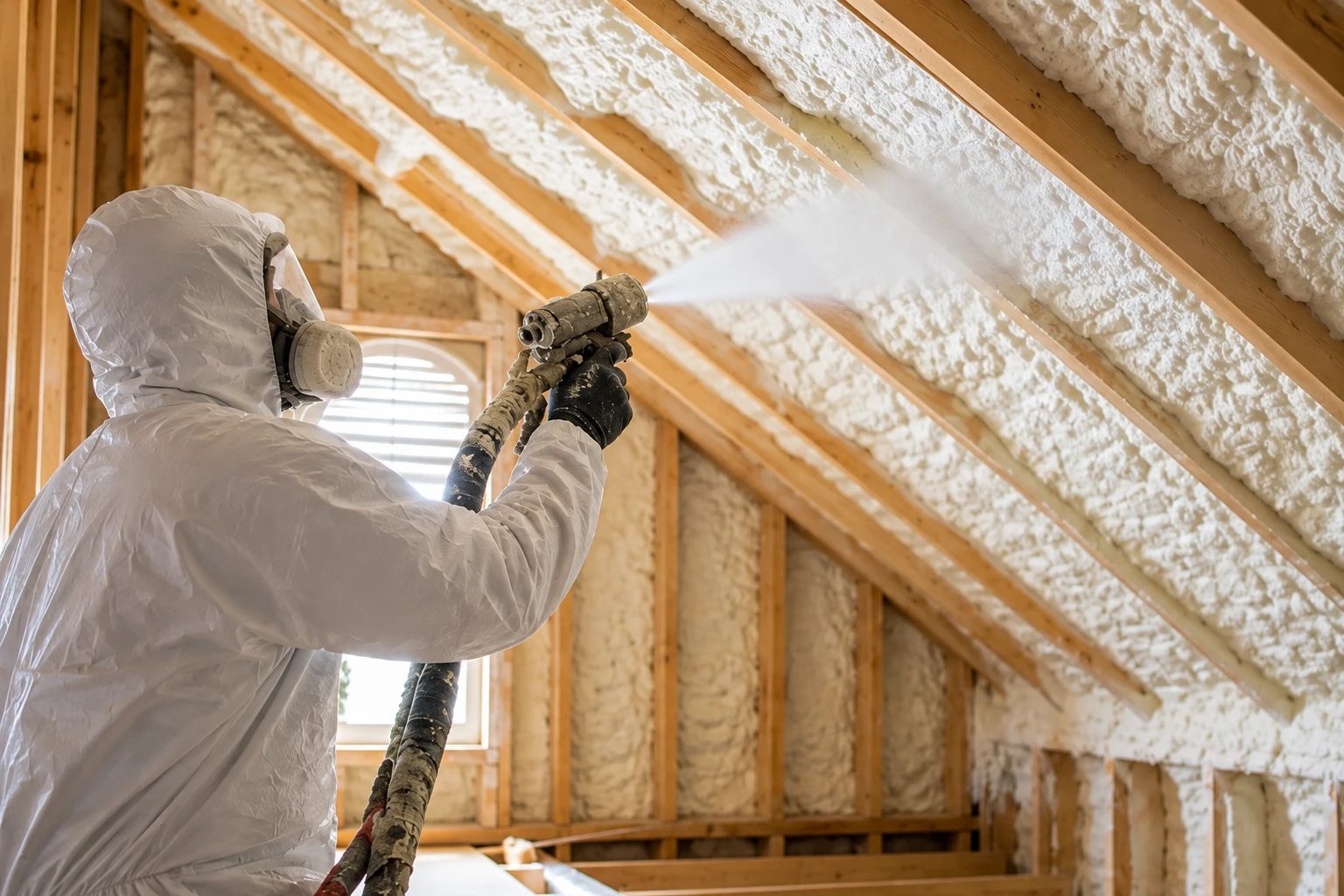
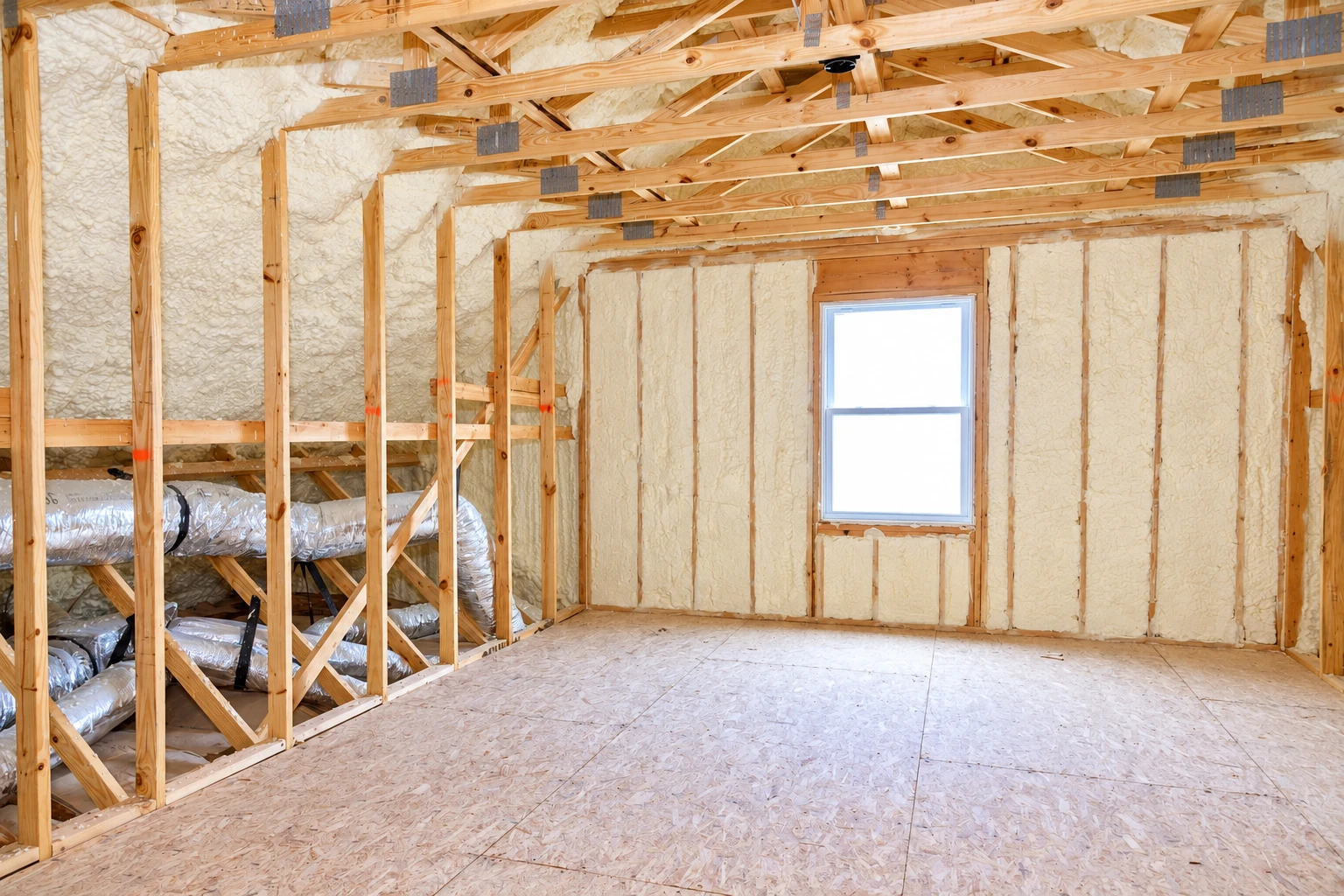
Sealing is usually half of a bigger job. Once the ceiling is tight, most homes get retrofit insulation, new insulation added to a house that's already built. Spray foam insulation seals and insulates in one pass but costs more, so I usually point people to sealing the gaps and topping up with blown-in, loose fill blown through a hose. The exception is when your ductwork runs through the attic, because that's where foam earns its price.
Work that often goes with air sealing
Retrofit insulation
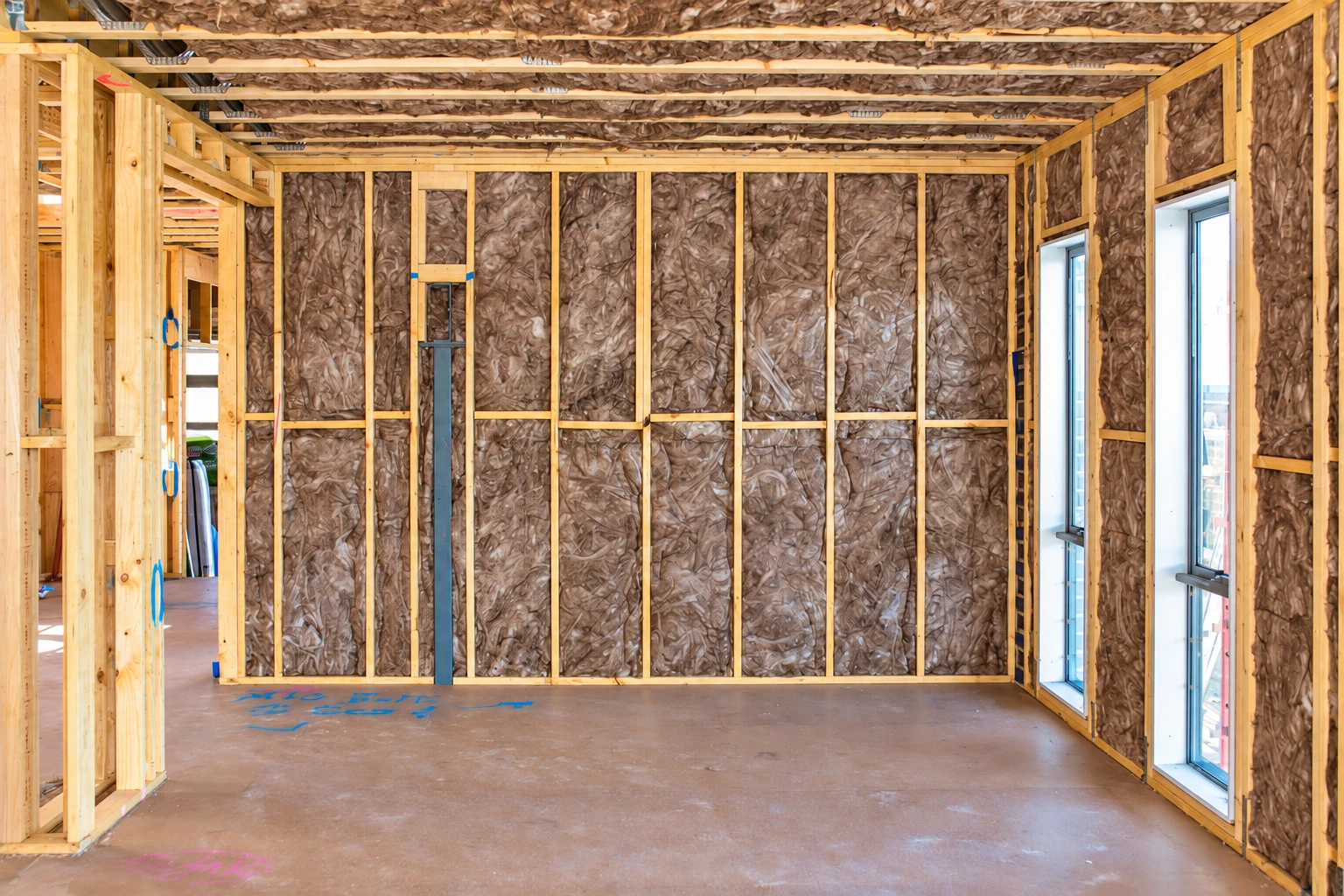
Once the leaks are closed, this is how an older house gets the insulation it's been missing, laid over a ceiling that's finally tight.
Spray foam insulation
If your ducts or AC equipment sit in the attic, foam can seal and insulate that space in one step, and it's worth pricing out.
What happens after you call us about your attic?
Call or send the form
Call (424) 307-8033 or fill out the form, and we'll set a time for me to come out. Mention any recessed lights, bath fans or a furnace up in the attic so I know what to look for.
I look at the attic
I go up and check the wiring, the fans, the roof and the old insulation myself. You get a written estimate with the price, the plan and anything that should be fixed before we seal.
We seal, then insulate
Our crew covers your floors and belongings on the way to the hatch and closes the leaks before any insulation goes in. If the job needs a permit, we pull it and set up the inspections with the city or county office that handles your address.
We walk the job together
I check the crew's work before we call it done, then walk you through what we sealed and what we added. No question is too small while we're standing there.
Questions before you book attic air sealing
What does attic air sealing actually seal?
It closes the leaks between your attic and the house below, along the ceiling joints, the holes cut through the ceiling and the seams along the tops of the walls. Closing them saves energy, lowers the power bill and helps keep moisture problems out of the attic. Larger holes and open soffits get solid blocking, and hot flues get metal blocking and a collar.
Should air sealing come before new insulation?
Yes, the sealing should be the step right before the insulation goes in, since that's when it gets you the most energy savings. A federal guide on attic sealing checks fuel-burning equipment and how the house gets fresh air first, then the attic vents, and finishes the sealing before insulating. Soffit, ridge and gable vents are meant to stay open, so they don't get sealed.
How do I know if my attic is ready for air sealing?
Look for live knob and tube wiring, the old cloth-wrapped kind, vermiculite insulation or bath fans blowing into the attic, because a federal guide on attic sealing says to hold off until those are dealt with. The same guide adds a leaking roof and an unvented kerosene heater or gas fireplace, so those get checked first. If a gas furnace or water heater sits up there, sealing changes how much air it gets to burn, so that air supply gets planned as part of the job.
How much does attic air sealing cost around Los Angeles?
Attic air sealing done before new insulation goes in usually runs about $400 to $2,300 per job in the Los Angeles area. That's the going rate around here, not a quote, and your written estimate shows where your attic falls after I've been up there. Satisfaction guaranteed.
Do I need a licensed contractor to seal my attic in California?
Any job over $1,000, or one that needs a permit, has to be done by a licensed contractor in California, and so does any job where the person doing it has someone working for them. The state contractor license board has its own class for insulation contractors, the ones who put in material to control heat or sound. California's energy code also has efficiency and indoor air rules for changes to existing homes, not only new ones. We're fully licensed and insured.
What is the best way to seal around old recessed lights in the attic?
Replacing them with new ICAT-rated lights, built to sit in insulation and stay airtight with fewer holes and a gasket, is the better fix. Older lights not rated to touch insulation can instead be boxed in with fire-rated material and the right spacing, which cuts the fire risk and the air leaks. I'll lay out both on the estimate so you can weigh a box against a new light.
Get a written price and plan for your attic
We reply to every call and form within one business day to set a time. I come out and look at the attic for free, and you get the price and the plan in writing with no obligation to book.
Explore our services and areas
Services
- Spray foam insulation
- Attic insulation
- Blown-in insulation
- Home insulation
- Insulation removal
- Crawl space insulation
- Wall insulation
- Air sealing services
- Basement insulation
- Closed-cell foam insulation
- Open-cell foam insulation
- Commercial insulation
- Crawl space vapor barrier
- Vapor barrier installation
- Retrofit insulation
Book an attic check before you insulate
Call (424) 307-8033 or send the form, and I'll tell you what your attic needs before you spend anything on it.