
Basement insulation in Hawthorne CA - warmer floors over a dry, sealed basement
Cold floors upstairs or a musty basement? We fix the damp first, then seal and insulate so the house above stays comfortable.
- Service
- Basement insulation
- Call
- (424) 307-8033
How do you know your basement needs insulation?
Cold floors upstairs
If the floors over the basement feel cold underfoot, heat is usually slipping down into a basement that has little or nothing between it and the outside. Leave it, and you keep paying to heat rooms that lose that warmth through the floor.
Drafts along the top wall
Run your hand along the top of the foundation, where the wood framing sits on the concrete, and you'll often feel cold air or even see daylight. That's the sill and rim joist, a well-known leak spot, and until it's sealed any insulation you add is fighting a draft.
Musty smell or damp walls
A musty smell, a white chalky film or dark stains on the concrete usually mean moisture is getting in. That has to be handled before any insulation goes up, and the longer it sits, the bigger the fix tends to get.
Is it worth insulating your basement in Hawthorne?
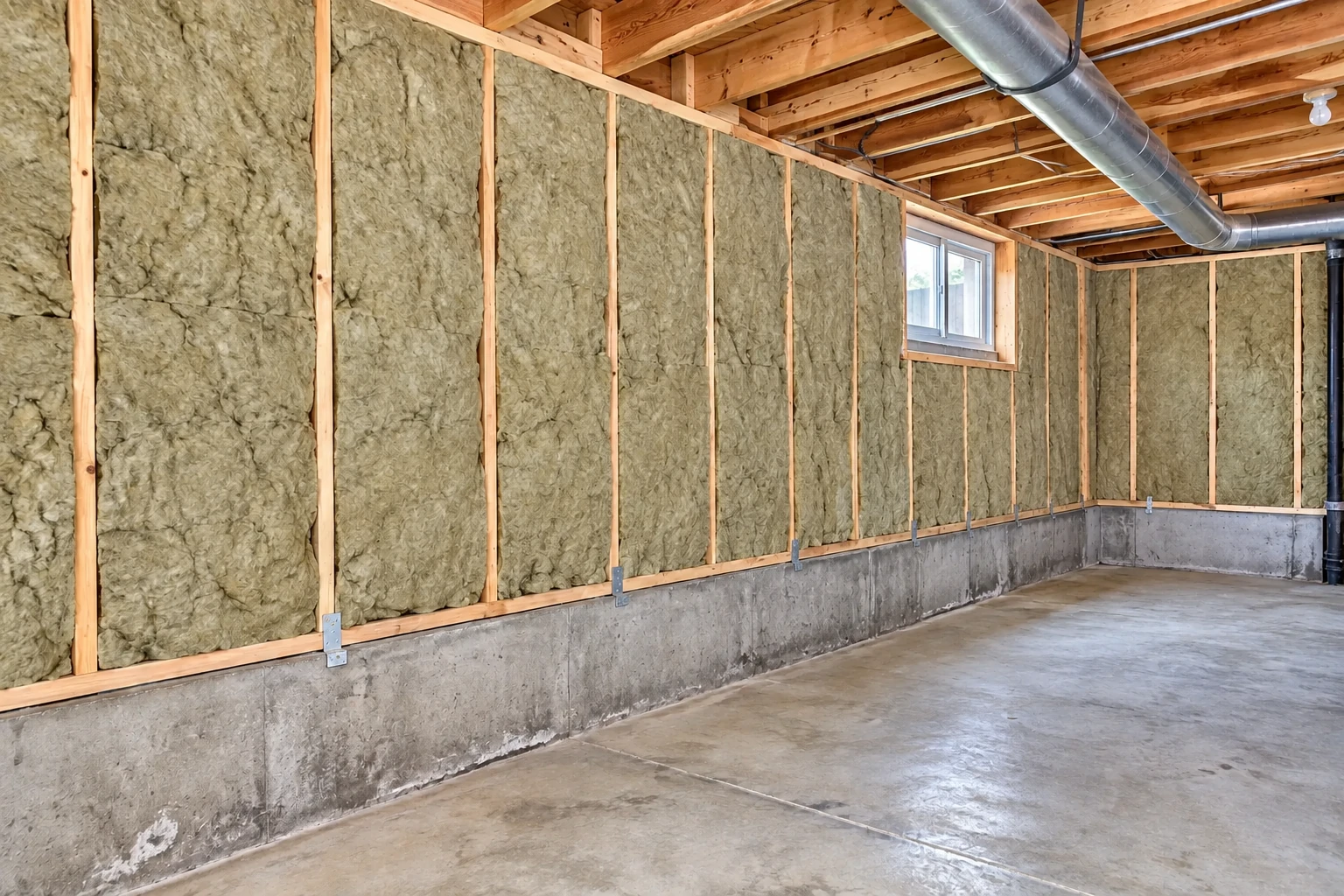
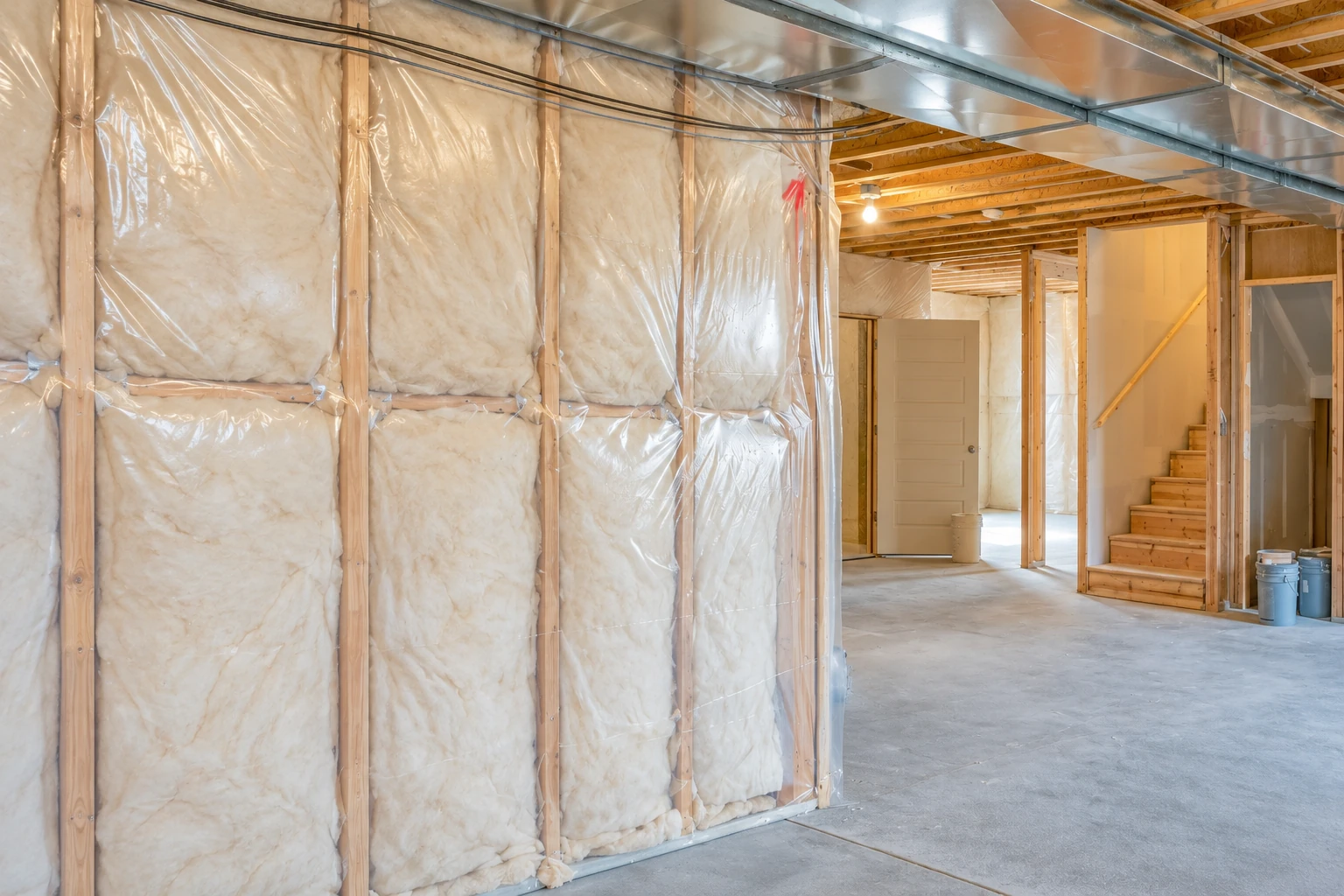
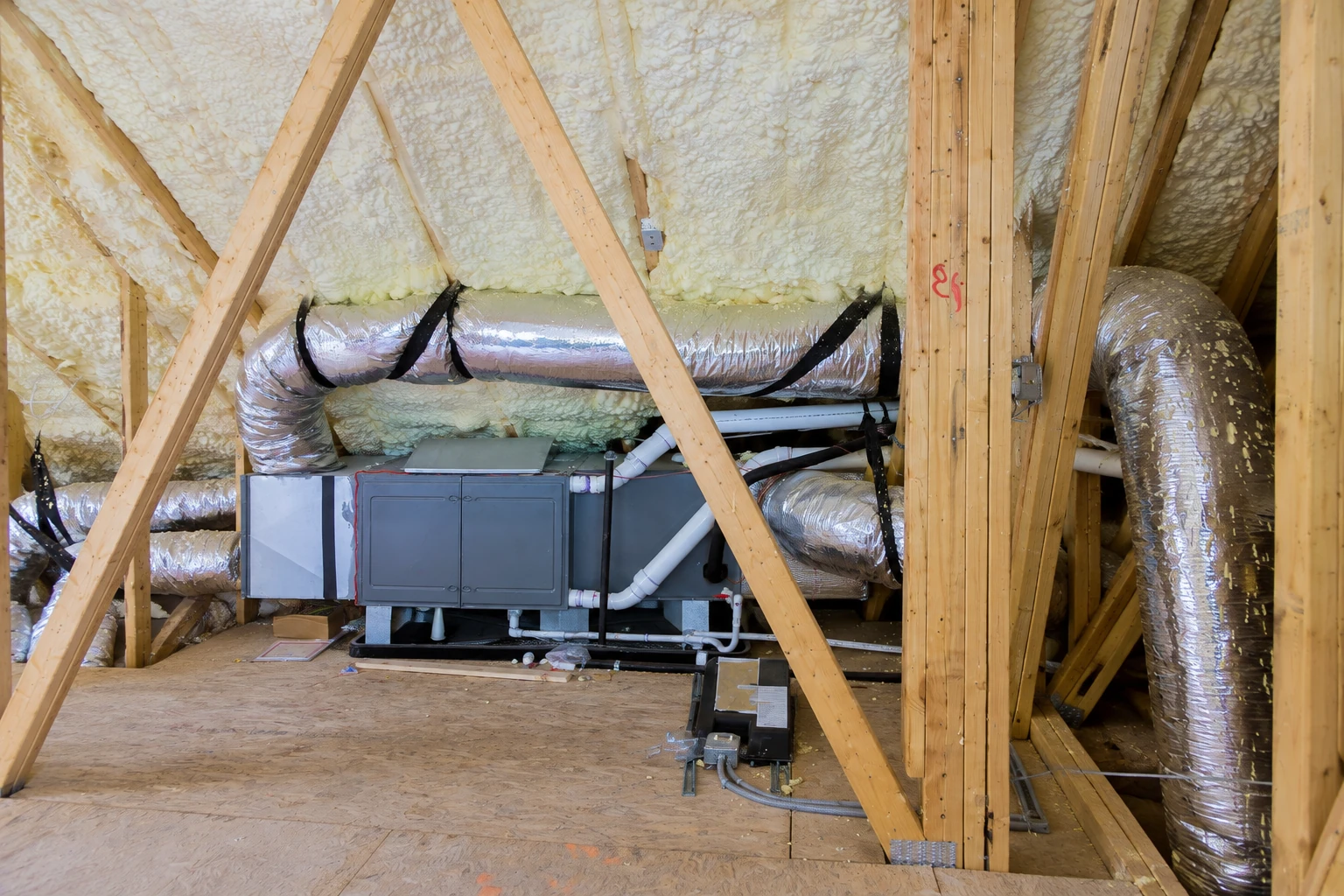
Basement insulation in Hawthorne starts with sealing the sill and the rim joist, the band of framing that sits on top of your foundation, because that's where a lot of basement air leaks in. Then we insulate either the basement walls or the floor above them, so the rooms upstairs hold their heat and the house stops losing it through the floor.
Most people call me because the floors upstairs feel cold or the basement smells damp, and they want to know if insulation will help. What moves the price is the size of the basement, whether we insulate the walls or the floor above, which material fits, and any damp or cracks that need fixing first. That last part also sets the schedule, because we don't start insulating until the basement stays dry and the foundation is sound, and my written estimate spells all of it out.
Details to note before an estimate
- Rough square footage of the basement
- Damp spots, stains or past water
- Cracks in the foundation walls
- Gas furnace or water heater down there
How we do basement insulation in Hawthorne
I start by looking for dampness and foundation trouble, and we deal with both before any insulation goes up, because covering them only hides them. Then I walk you through the choice between insulating the basement walls and insulating the floor above, based on what I found and how you use the space. Our crew seals the sill and rim joist first, so the new insulation isn't working against a draft, and then insulates the area we agreed on. Foam has to be covered with something like drywall to keep it separate from the living space, so I'll tell you up front how that gets done, and if there's a gas furnace or water heater down there, it should be checked to make sure it runs safely before and after the basement is sealed up.
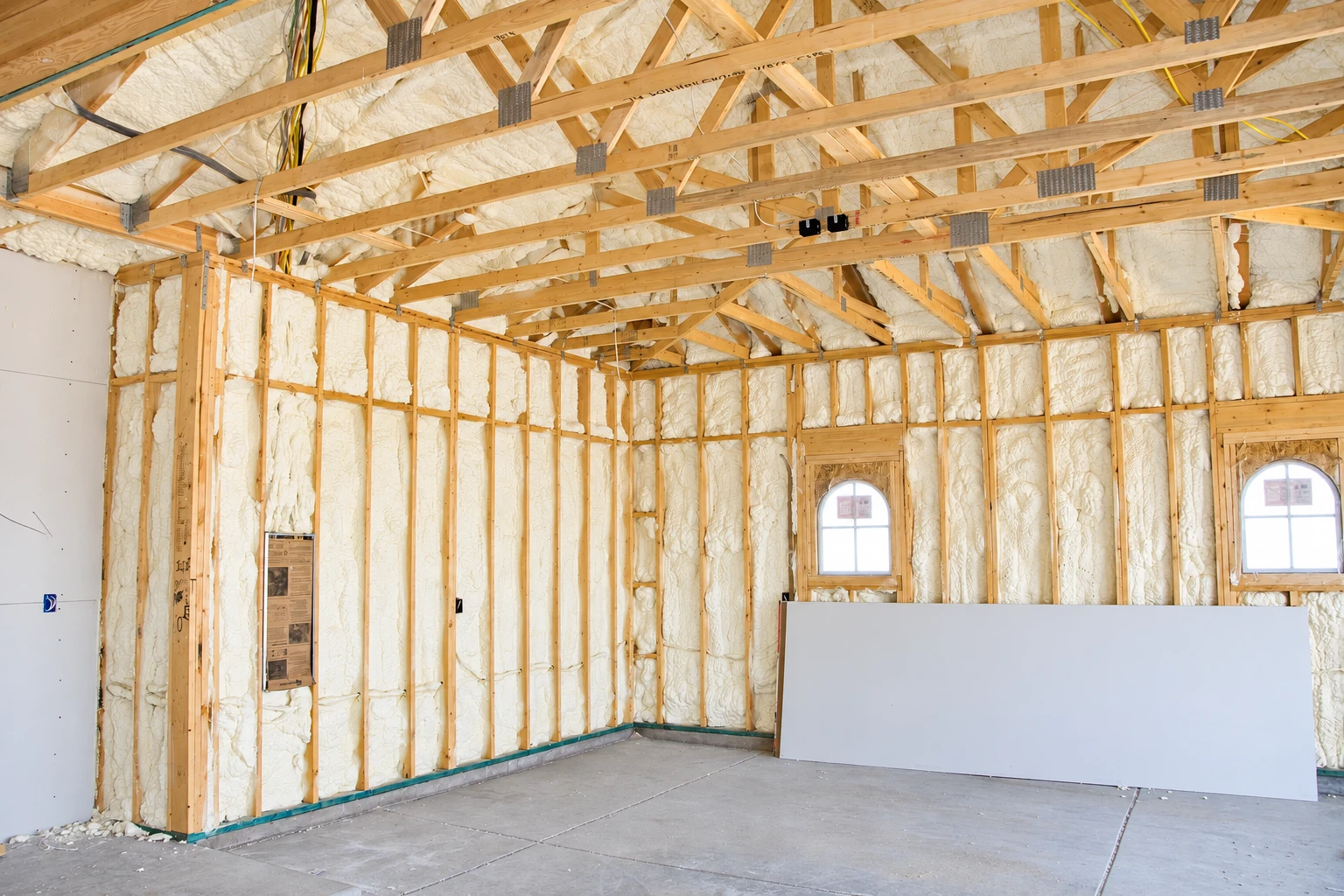
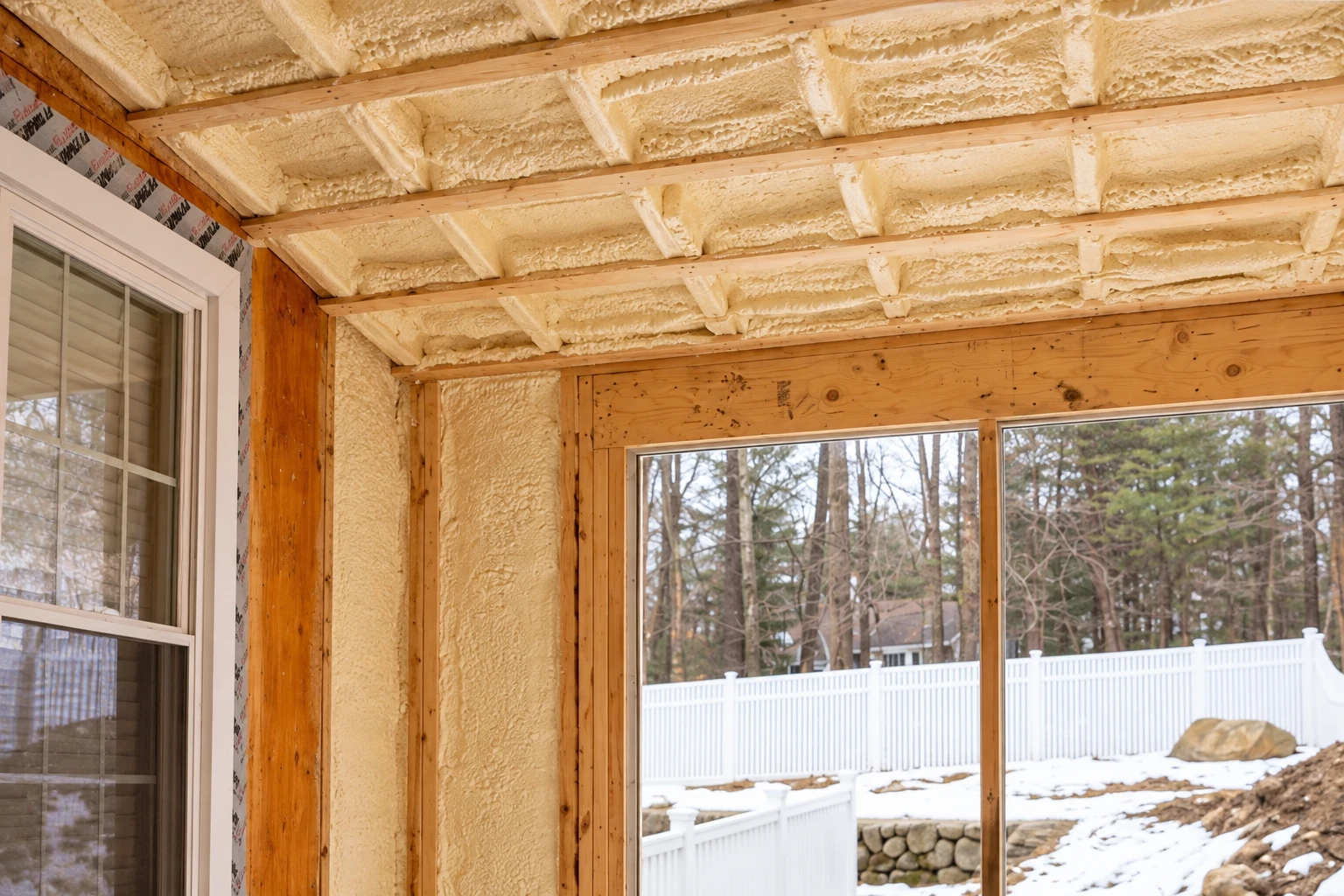
For the rim joist and concrete walls I usually lean on closed-cell foam insulation, a dense foam that blocks moisture as well as air, because those are the spots most likely to run damp and leak. Foam costs more than batts, but it seals while it insulates, and in a basement that's usually worth paying for. Open-cell foam insulation is lighter and softer, and it can make sense in the floor above when the walls aren't the right place to insulate.
Other work that goes with a basement job
Closed-cell foam insulation
Worth a look if your basement walls or rim joist sit next to damp concrete and you want one layer that stops both air and moisture.
Open-cell foam insulation
A good fit when we're insulating the floor over the basement and you want gaps around pipes and wiring filled without the cost of dense foam.
What happens when you call about basement insulation in Hawthorne?
Call us or send the form
You reach us at (424) 307-8033 or through the form, and we set a time that works for you. Have the rough size of the basement handy, since it's the first thing I'll ask.
I inspect and write the estimate
I come out myself and check the walls, the sill line, any damp spots and any gas appliances down there. You get a written estimate with the price, the plan and anything that should be fixed first, so you know the full number before you decide.
We seal, insulate and walk through
The crew I trained protects your floors and belongings, seals the leaks, and then puts the insulation in. I check the work and walk the finished basement with you before we call it done.
Questions before you insulate a basement
How much does basement insulation cost in the Los Angeles area?
Basement insulation in the Los Angeles area usually costs about $1.50 to $4.50 per square foot, and that's the going rate around here, not our quote. Where your job lands depends on the square footage, whether we do the walls or the floor above, the material, and any repairs that have to come first. I put the price in writing after I've seen the space, and our work is satisfaction guaranteed.
Should I insulate the basement walls or the floor above?
Insulating the basement walls, and sometimes the concrete slab, usually works better. If the basement can't be kept dry, say it takes on water in certain seasons, insulating the floor above may be the more workable choice. I'll tell you which one fits your house once I've looked at it.
How do I insulate a damp basement?
Get the dampness handled first, because insulation over a wet wall can hide the problem and sometimes traps water inside the wall, which makes it worse. Once the basement stays dry, the insulation can go on without covering anything up. If I see moisture on the estimate visit, it goes at the top of the written list.
Can you insulate a basement with cracks in the foundation?
Not until the cracks have been looked at, because insulation on a foundation with structural problems can hide them and in some cases make them worse. The structural repair comes first, so the insulation goes onto a sound wall. If a crack needs a closer look from someone who does foundation work, I'll tell you so rather than guess.
How do I keep basement insulation from trapping moisture?
Keep plastic sheeting and foil-faced boards off the room side of fiberglass and other fibrous insulation in a basement, because they can trap moisture in the wall. For walls below ground, the suggested choices are kraft-faced fiberglass batts, the kind with a paper backing, or latex paint on the drywall.
Who can install insulation in California?
California's licensing rules set out a C-2 Insulation and Acoustical Contractor license for contractors who install insulation for temperature or sound control. Very small jobs under $500 in total, labor and materials counted, are exempt, but not when they're part of a bigger project. We're fully licensed and insured. The state's energy code also sets standards for walls, floors and roofs by climate zone, so where your house sits shapes which ones apply to it.
Get a written plan for your basement insulation
Tell us about your basement and we'll reply within one business day to set a time for me to come out. The estimate is free, and I'll leave you a written price and plan, including anything that should be fixed first, with no pressure to book. It helps to have the rough square footage and a note on any damp spots and on the furnace or water heater down there.
Explore our services and areas
Services
- Spray foam insulation
- Attic insulation
- Blown-in insulation
- Home insulation
- Insulation removal
- Crawl space insulation
- Wall insulation
- Air sealing services
- Closed-cell foam insulation
- Open-cell foam insulation
- Commercial insulation
- Crawl space vapor barrier
- Vapor barrier installation
- Attic air sealing
- Retrofit insulation
Book your basement insulation estimate
Finding a damp spot or a crack before the insulation goes up costs a lot less than finding it later behind a finished wall.